Cape Royal
Cape Coral, Florida
- HOA dues
- $1,570/yr (2026), per the association
Figures come from association budgets and financials, dated in the copy below.
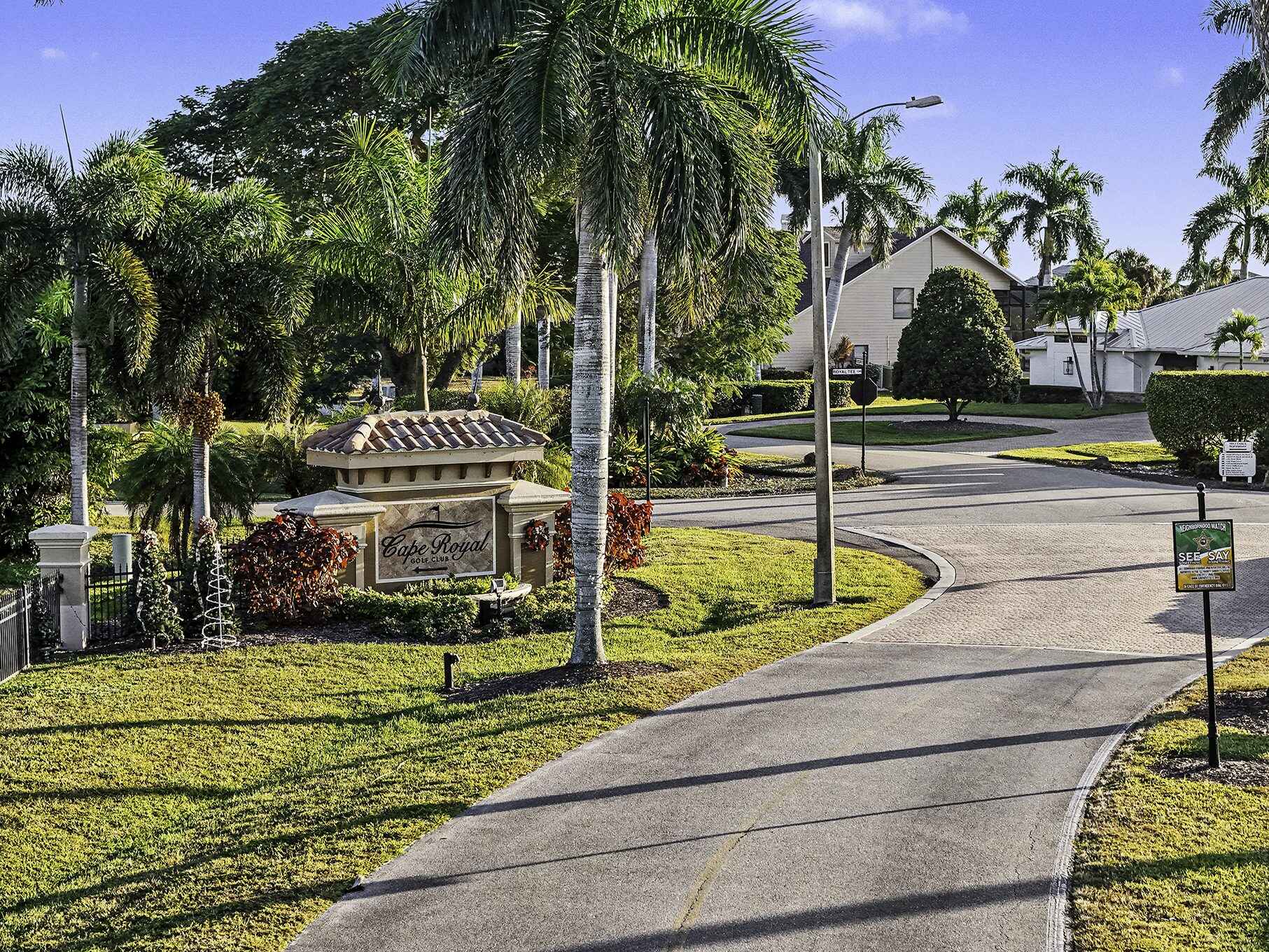
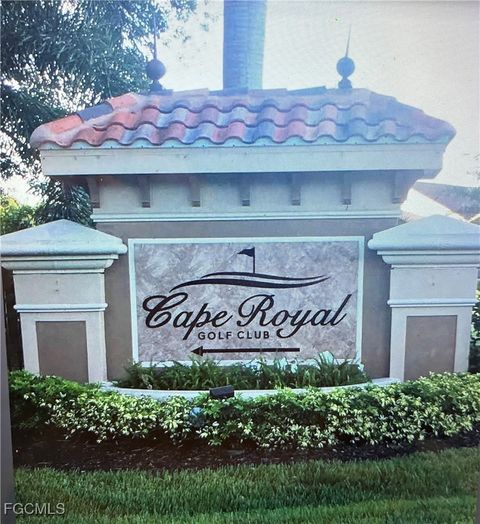
Cape Royal is the community I point to when a buyer wants Cape Coral without the canal life, gates, golf, lakes, and none of the seawall math. It sits at Pine Island Road and Burnt Store Road, and it breaks the usual assumptions: it isn’t actually in the city, the homeowners own the golf course, and the fee numbers floating around the internet are, in several cases, simply wrong. This page fixes that, with figures pulled from the association’s own documents and dated so you know exactly what you’re looking at.
What Cape Royal Is
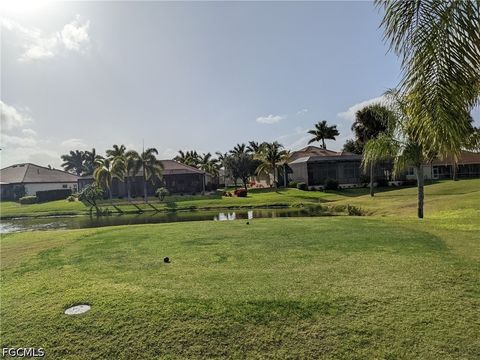
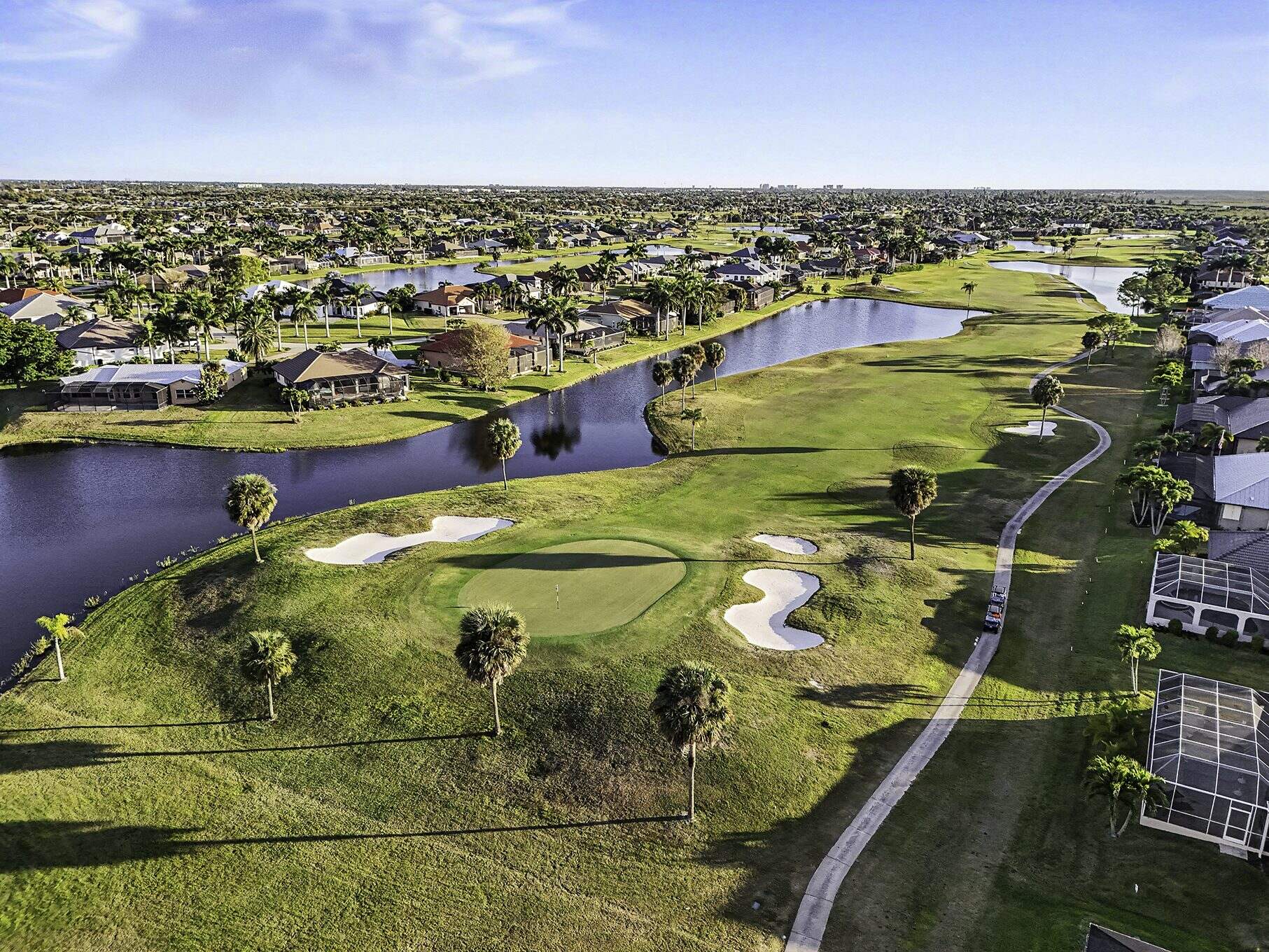
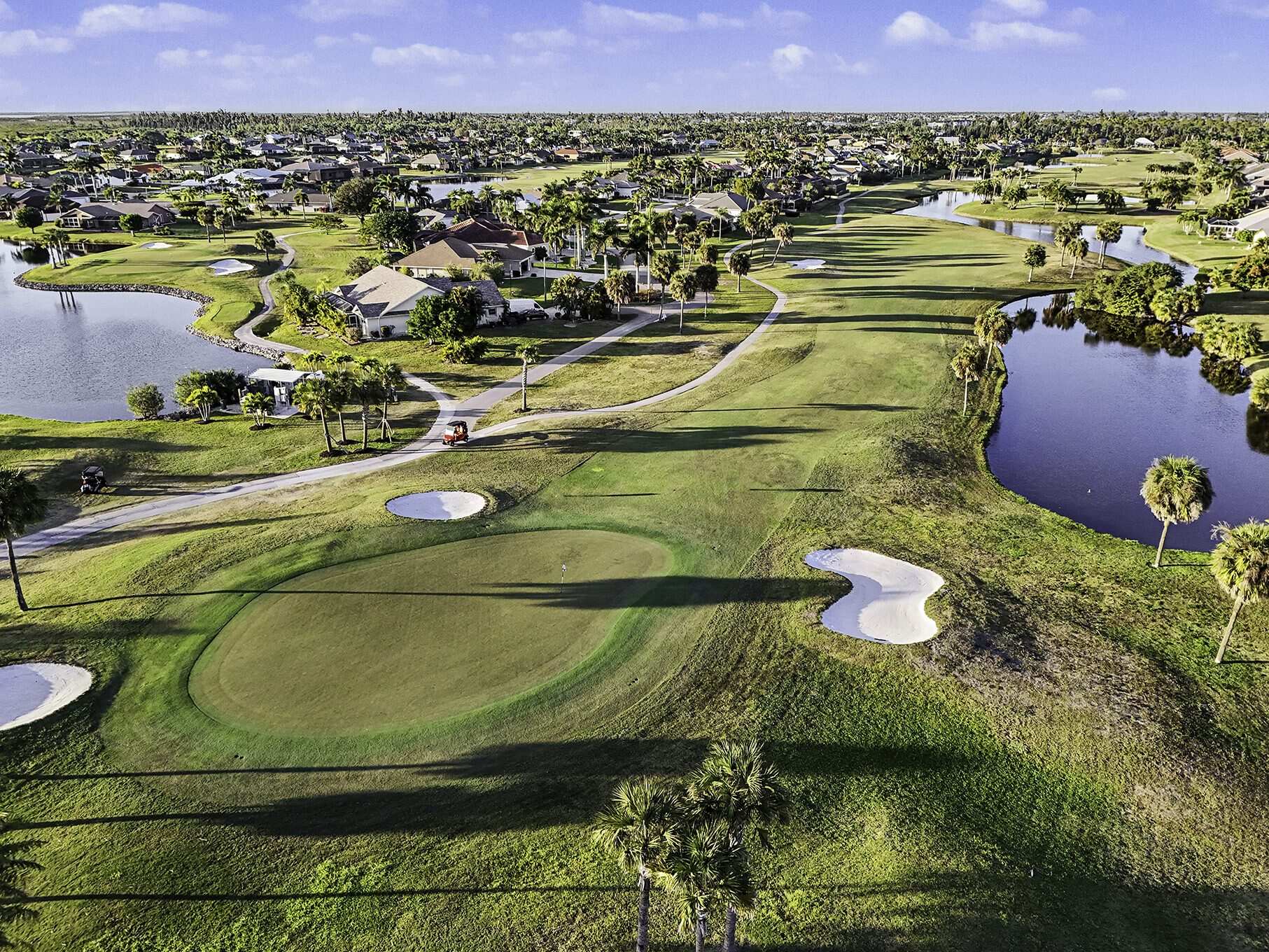
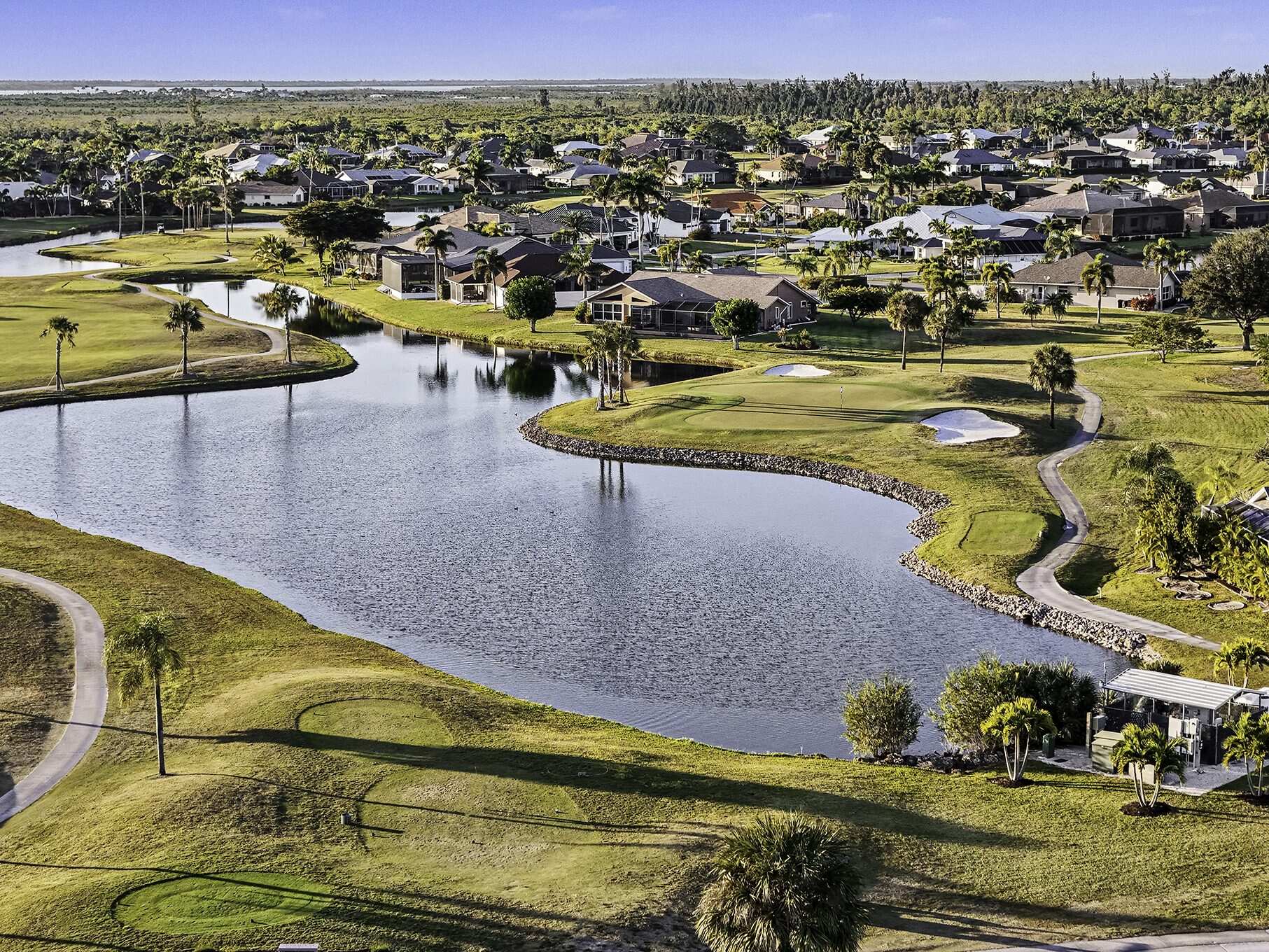
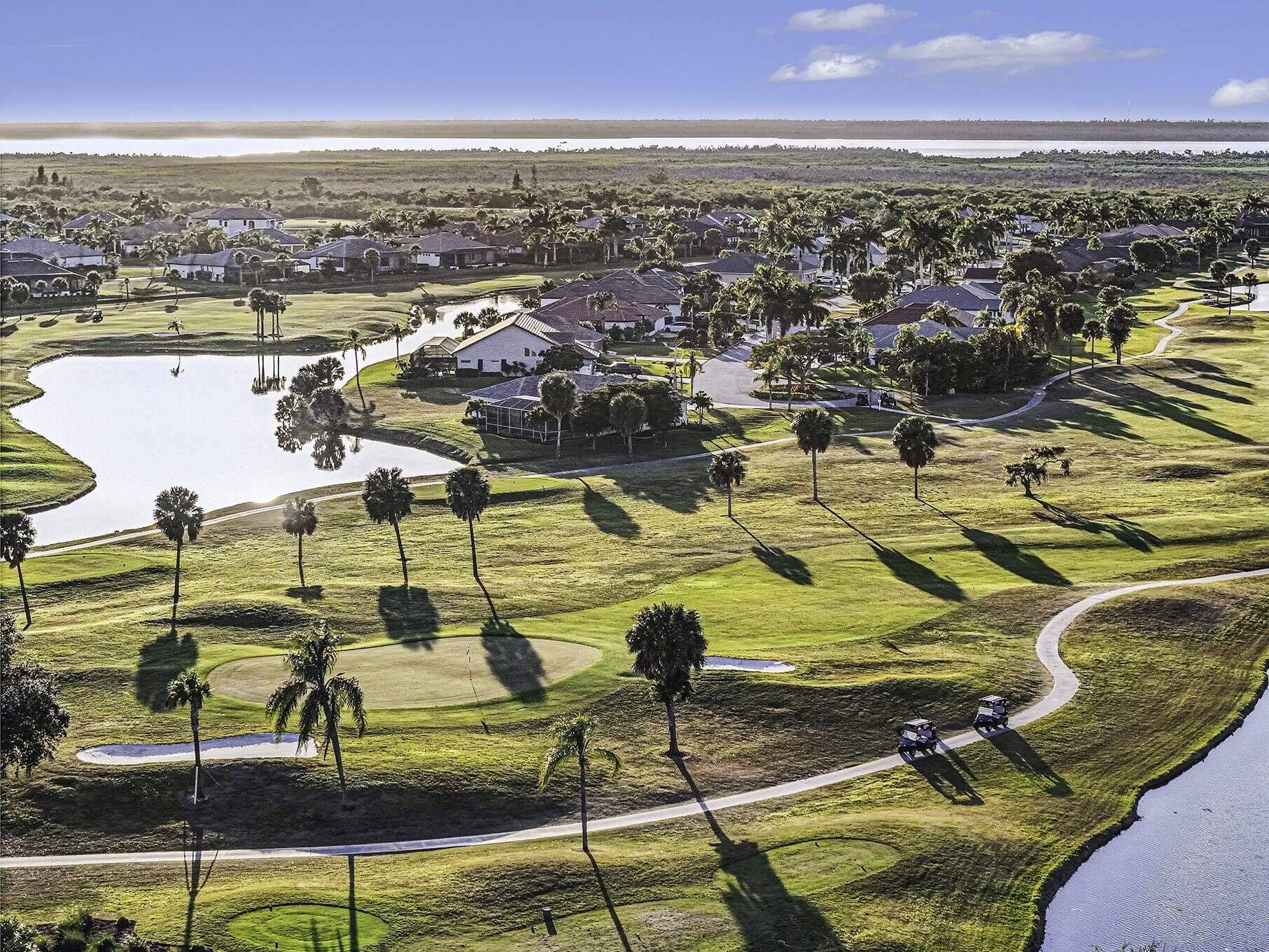
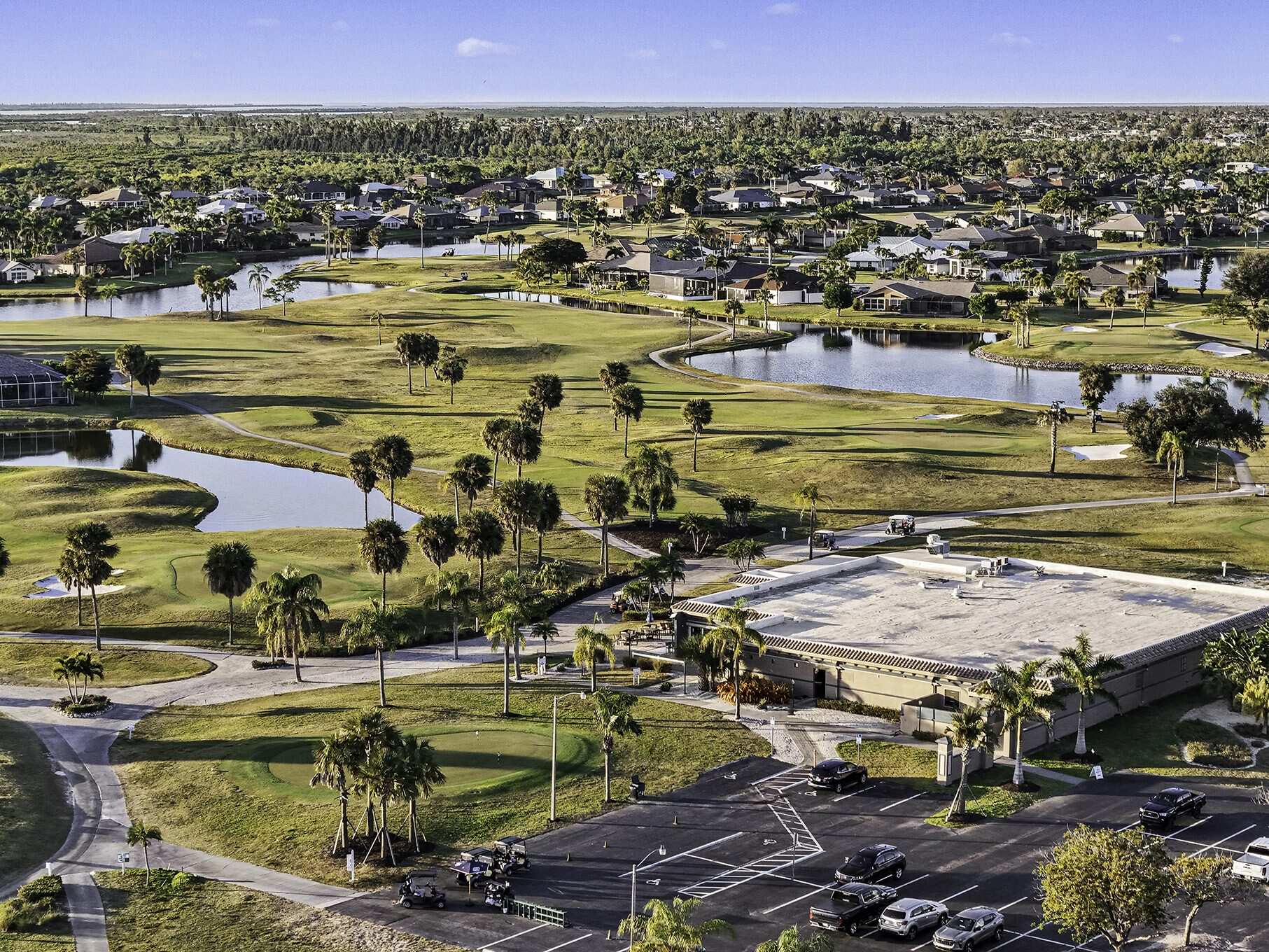
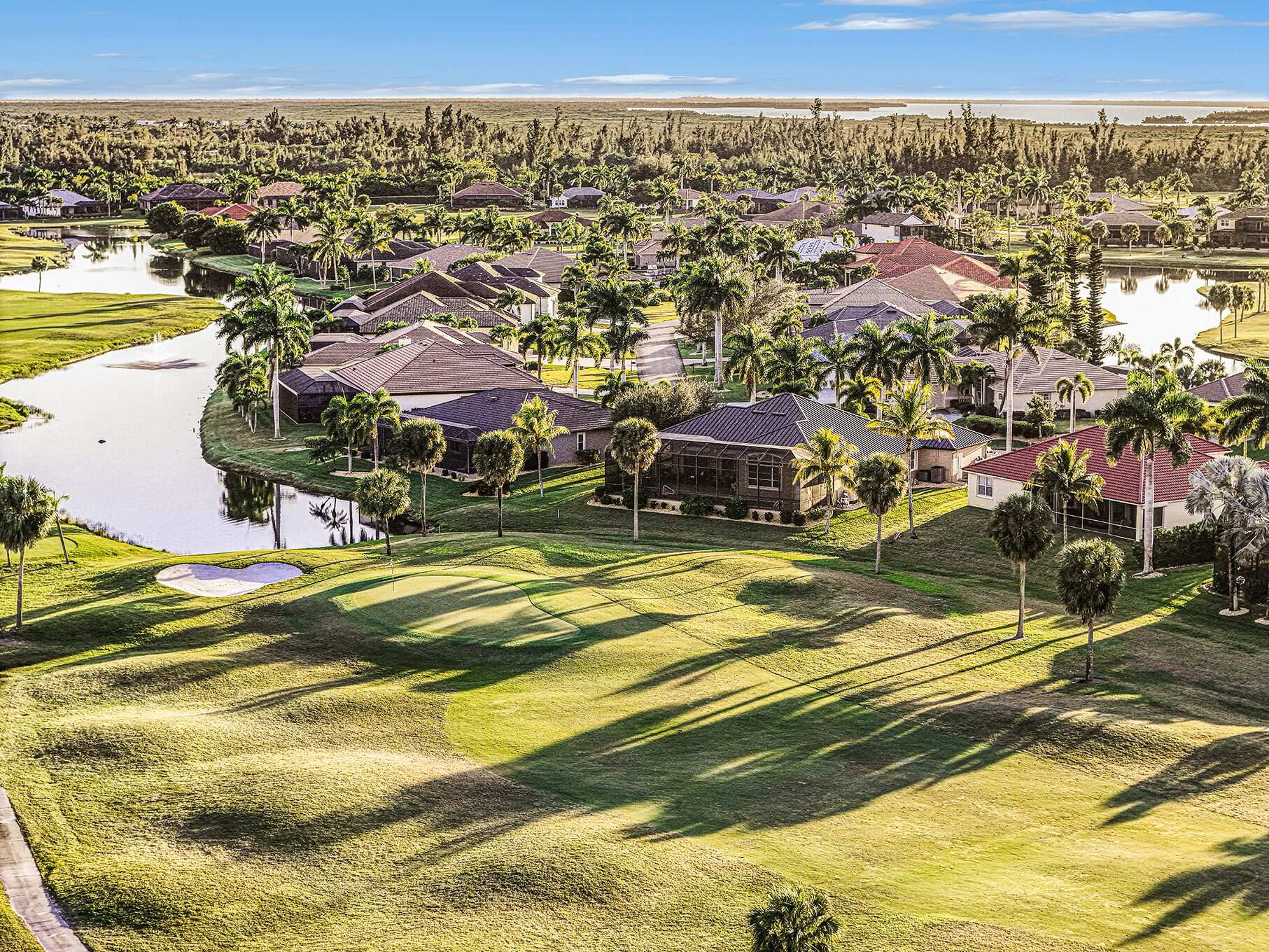
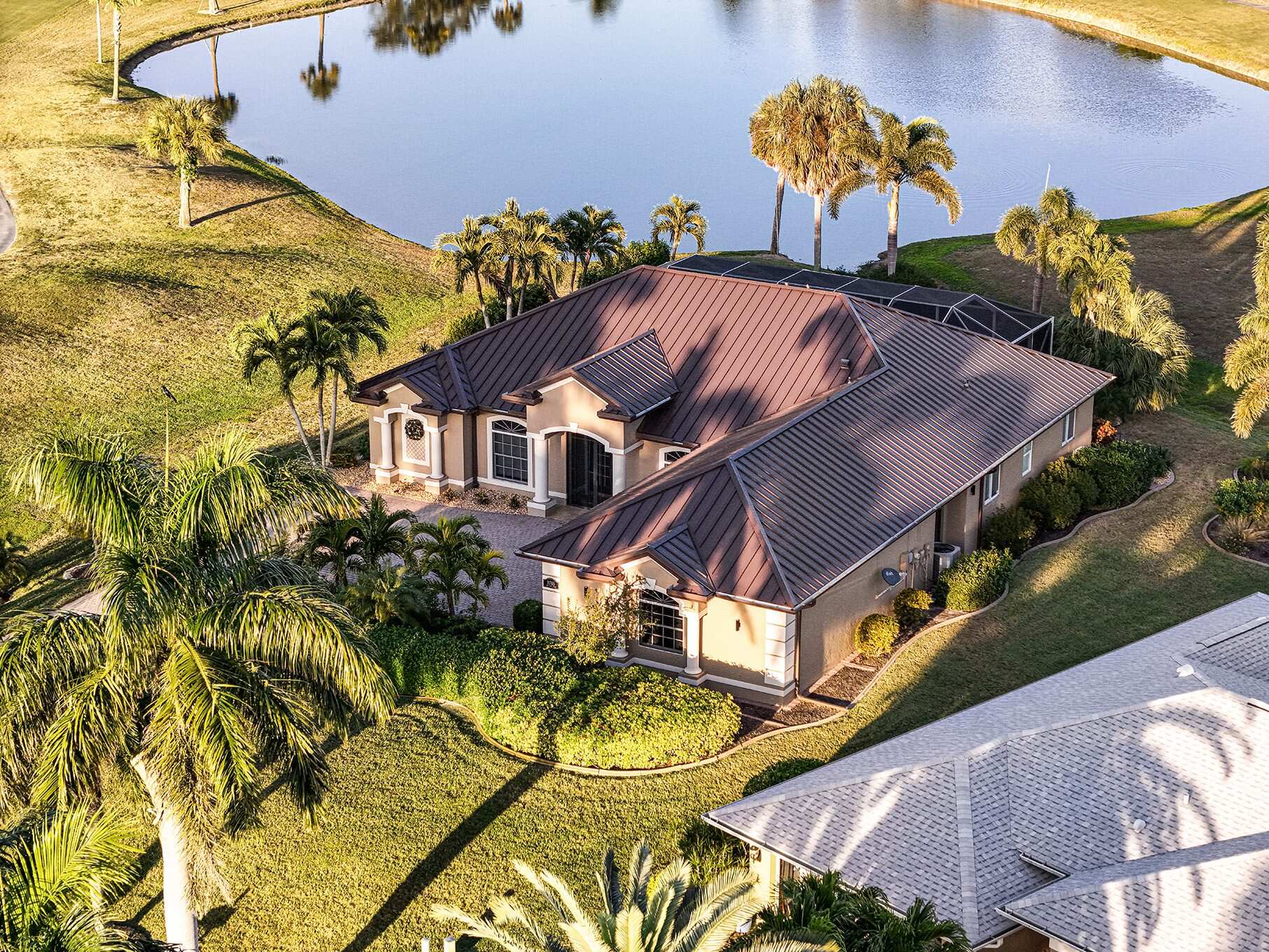
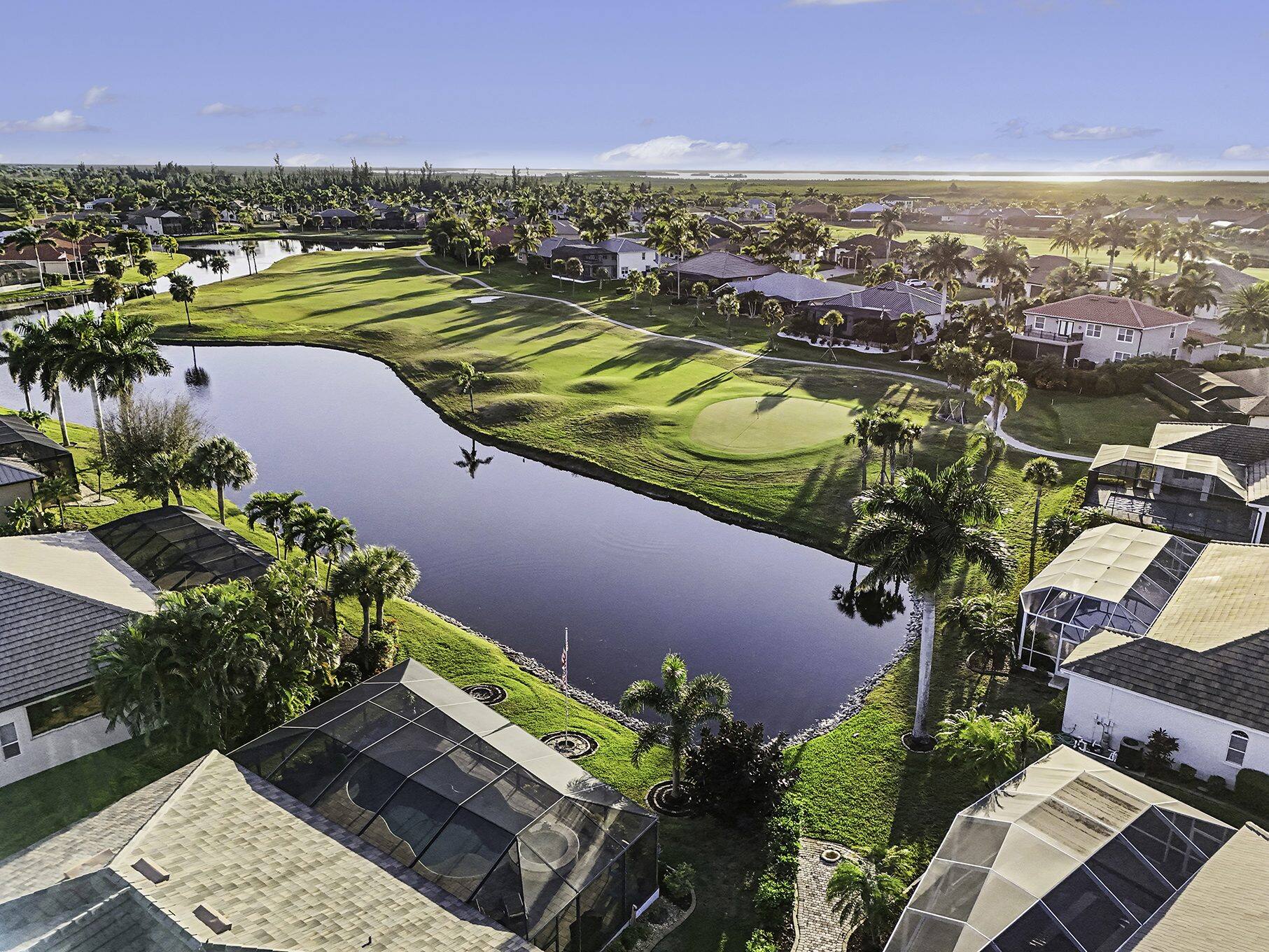
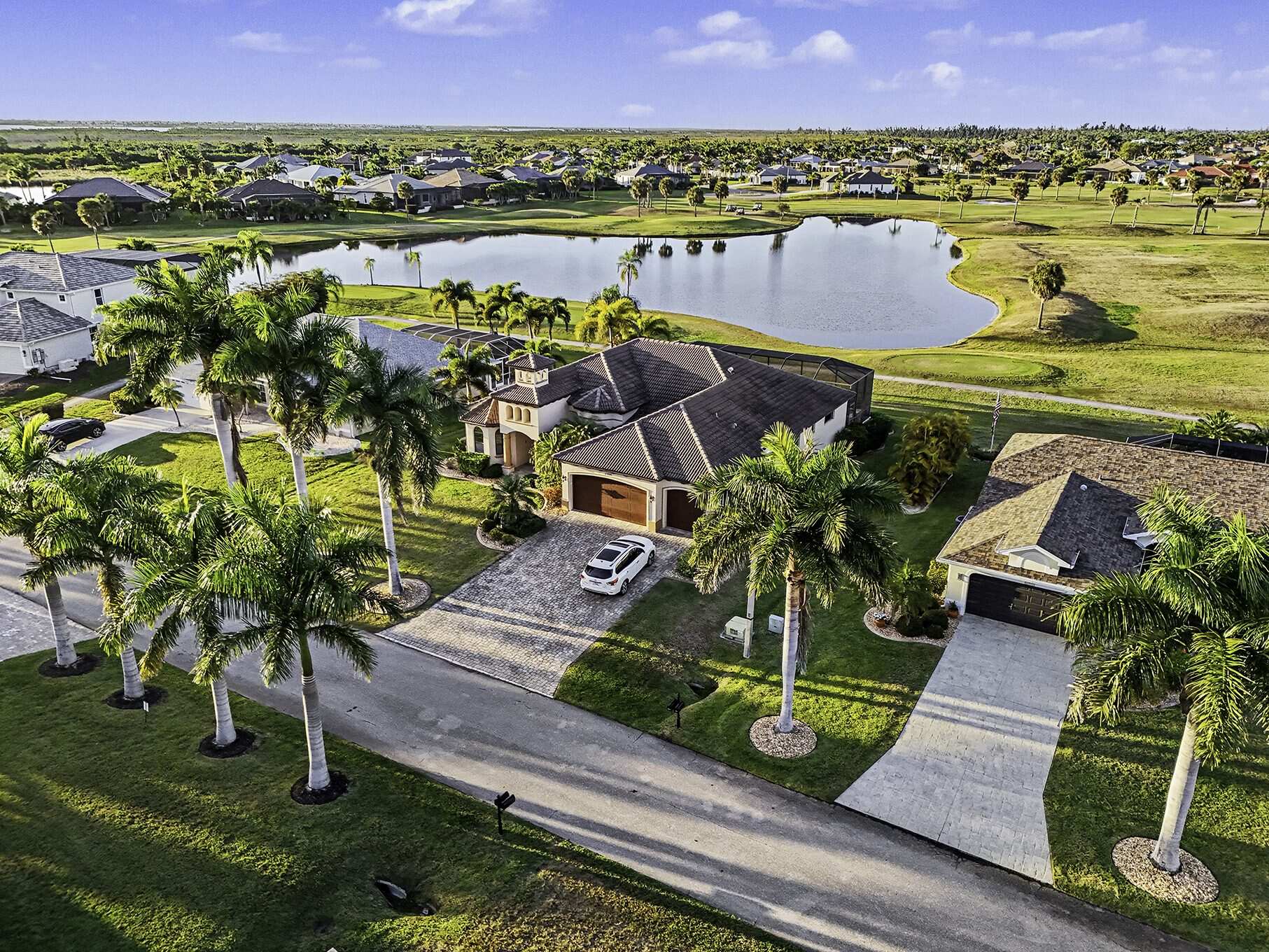
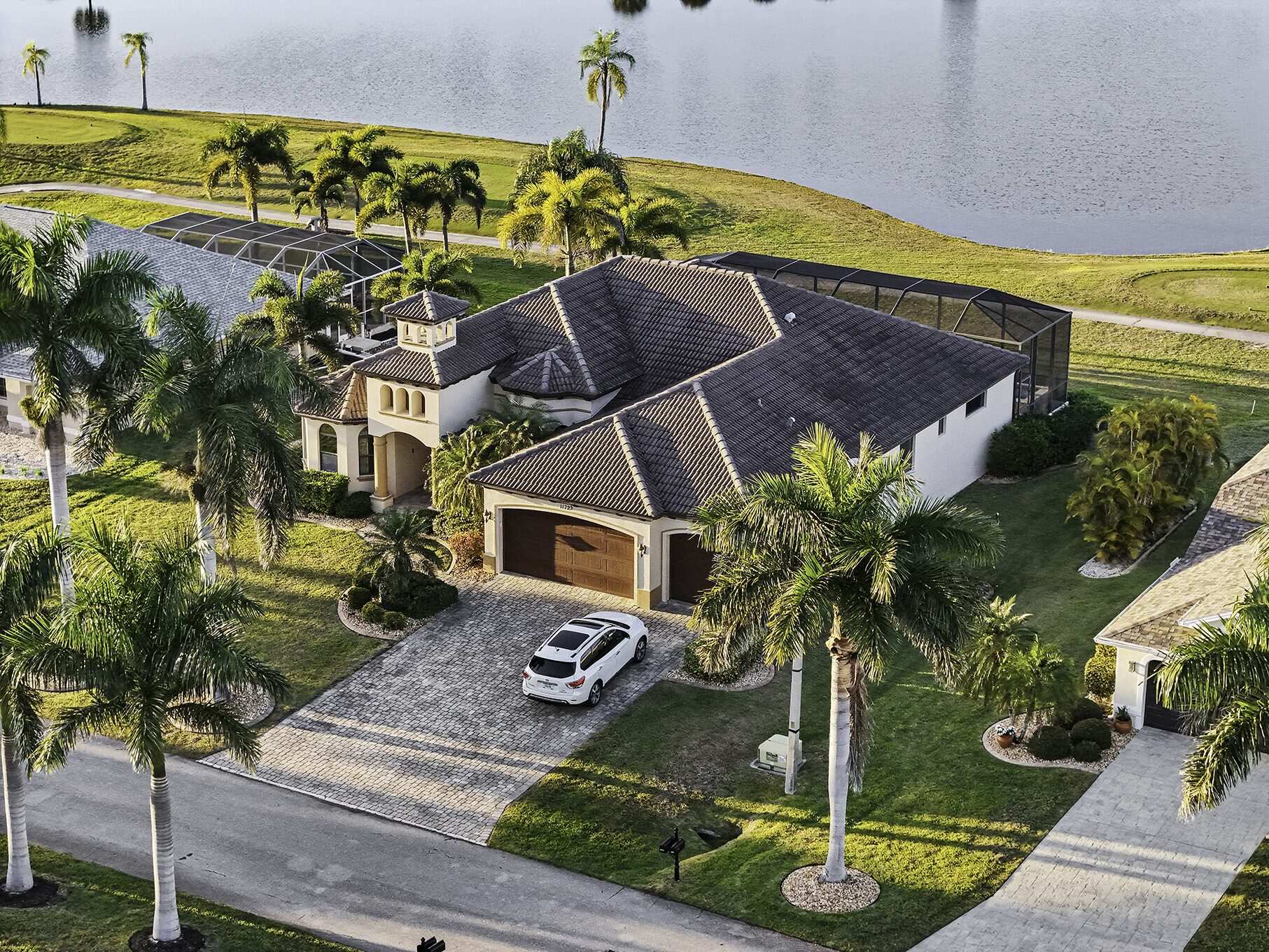
Cape Royal is a gated golf community of roughly 470-plus homesites wrapped around a 27-hole course, with about two dozen lakes threaded through the neighborhood. Development started in the mid-1980s, the clubhouse dates to 1986, with the golf holes completed by 1991 and a second phase of homesites added in 2006. The lakes frame nearly every street, and the wading birds that hunt their edges are as much a part of the scenery as the fairways. The gates open during the day, because the course and restaurant welcome the public, more on why that matters below.
If you’re comparing Cape Royal against the city’s canal neighborhoods, my Cape Coral area guide maps how all the pieces fit together.
The Unincorporated Lee County Difference, and Why It’s Money in Your Pocket
Here’s the fact that surprises nearly everyone: despite the Cape Coral mailing address, Cape Royal is not inside Cape Coral city limits. It’s unincorporated Lee County. That’s not trivia, it changes what you pay and who you deal with:
- County permitting, not city. Renovations, pools, and additions run through Lee County’s permitting process rather than Cape Coral’s.
- No city utility expansion assessments. Cape Coral’s utility assessments, the line items that catch so many city buyers off guard, don’t apply here.
- Water from Greater Pine Island Water Association, not the city utility.
- Electric from LCEC, the co-op that serves this part of the county.
- Irrigation from private wells, so you’re not watering the lawn at potable rates.
- Fire service from the Matlacha/Pine Island Fire District.
No community development district appears in the non-ad-valorem tax bills I checked across three Cape Royal parcels, and Cape Royal doesn’t appear on Lee County’s or Florida’s official list of registered community development districts. When I run ownership-cost comparisons for buyers, the unincorporated status is a structural difference, not a rounding error.
“Do I Have to Join the Golf Club?”. No.
This is the question I get most, so let’s kill it early: no, golf membership at Cape Royal is optional. The club operates semi-private, public tee times are available, and the gates open during the day for outside golfers and diners. You can live on a fairway here and never swing a club, or you can play daily on a pass. Owning a home obligates you to the homeowners association, not the golf club. The two are separate decisions with separate price tags, and I’ve broken both out below.
The Community That Bought Its Own Golf Course
Every golf-community buyer should ask one question: what happens if the course fails? Cape Royal already answered it, and the answer is the best story in the neighborhood.
The course shut down in August 2016. Instead of watching the fairways go brown, the Royal-Tee Homeowners Association stepped in and bought the course itself, roughly 187 acres, closing January 20, 2017, for $1,400,000, per Lee County sale records. The homeowners leased operations to a golf management firm, and today the course is managed by Indigo. So the green space that surrounds these homes isn’t controlled by a developer or an out-of-state investor who might sell it out from under the neighborhood, it’s owned by the people who live here.
The course itself: 27 holes across three nines. King, Queen, and Prince, designed by Gordon Lewis.
What Cape Royal Actually Costs
Third-party real estate sites publish fee figures for Cape Royal that are flatly outdated or invented. I’ve seen “$300–$400 a month” claims that don’t match any association document. Here is the fee structure as itemized in a 2026 statutory disclosure and cross-checked against the HOA’s own published fee schedule:
| Item | Amount | Notes |
|---|---|---|
| HOA dues | $1,570/yr (2026) | Per the association’s disclosure filings, some listing data still shows prior-year figures of $1,400–$1,440; verify with the HOA |
| Golf-purchase assessment | $295/yr | Tied to the community’s purchase of the course |
| Bundled services | ~$1,071/yr | Including cable, per the 2026 disclosure |
| Recurring total | ~$2,936/yr | All-in annual recurring, per the 2026 disclosure |
| Capital contribution | $3,500 one-time | Paid at closing by the buyer |
Two more facts from the association’s documents worth knowing before you write an offer: association approval of buyers is required (a five-day process), and the minimum lease term is 30 days.
If you choose to play, golf is a separate, optional expense. Per the club’s published 2025–26 pass program:
| Pass (2025–26) | Standard | Cape Royal Resident |
|---|---|---|
| Annual. Single | $4,200 | $3,425* |
| Annual. Family | $7,075 | $6,150 |
| Royal 8 Summer Pass | $350 | |
Prices are subject to 6.5% sales tax. *The club’s application page prints $3,450 for the resident single pass while its rate sheet shows $3,425, confirm current pricing with the pro shop. Cart programs are offered separately.
Every figure above is a dated fact about a document, not a guess. Fee schedules change annually, always verify the current numbers with the association before closing.
The Off-Water Advantage: An Inland Golf Community in a Waterfront Town
Cape Coral’s identity is its canal network, and if boating is the point of your move, my gulf-access waterfront guide is where you should be reading. But there’s a real case for the opposite choice, and Cape Royal is its best local example.
An inland, lake-and-fairway setting changes the insurance conversation. There’s no seawall to maintain, no dock to insure, and no saltwater at your lot line. Flood risk and insurance costs are always property-specific, elevations vary lot to lot, and I’d never promise a premium, but the questions an insurer asks about an inland golf-course lot are different from the ones they ask about a canal-front home. When we look at a specific property together, we pull the FEMA flood panel for that exact lot and get real quotes, not neighborhood-level assumptions.
Who Cape Royal Suits
Cape Royal is built around daily golf and long views. It suits buyers who want 27 holes outside the door without being forced to pay for them; who’d rather look at lakes and wading birds than a canal and a dock; who value a gated neighborhood where the homeowners control the green space; and who like the cost profile of unincorporated Lee County. It’s not the right fit if a boat lift is non-negotiable, that buyer belongs on the canals, and I’ll be the first to say so.
Cape Royal FAQ
Do you have to join the golf club at Cape Royal?
No. The club is semi-private with public tee times, and membership is entirely optional for homeowners. Owning a home obligates you to the HOA only; golf passes are a separate, opt-in expense under the club’s published pass program.
What are the HOA fees at Cape Royal?
HOA dues are $1,570 for 2026 per the association’s disclosure filings, some listing data still shows prior-year figures of $1,400–$1,440, so verify with the HOA. Add a $295/yr golf-purchase assessment and roughly $1,071/yr in bundled services including cable, for about $2,936/yr all-in, plus a $3,500 one-time capital contribution at closing.
Is Cape Royal in Cape Coral city limits?
No. Cape Royal carries a Cape Coral mailing address but sits in unincorporated Lee County. Permitting runs through the county, city utility expansion assessments don’t apply, water comes from Greater Pine Island Water Association, electric from LCEC, and irrigation from private wells.
Who owns Cape Royal Golf Club?
The homeowners do. After the course shut down in August 2016, the Royal-Tee Homeowners Association bought roughly 187 acres on January 20, 2017 for $1.4 million, per Lee County sale records. Day-to-day operations are managed today by Indigo.
Is Cape Royal in a flood zone?
There’s no blanket answer, flood zones are mapped lot by lot, and elevations vary across the community. Cape Royal is an inland, unincorporated-Lee-County neighborhood of lakes and fairways rather than canal-front lots, which changes the conversation, but for any specific property you should pull the FEMA flood panel for that exact address. I do that for every home my buyers consider here.
Let’s Look at Cape Royal Together
I keep this page current from the association’s own documents because the aggregator sites don’t, and in a community where approval, fees, and a one-time capital contribution all shape your closing numbers, accurate beats convenient. If you’re weighing Cape Royal against the canals, or you own here and wonder what the homeowner-owned course does for your resale story, start with a home valuation or reach out directly. I’m Brenton Miebach, REALTOR® in Cape Coral, and this corner of the county is exactly the kind of place I built this site to explain.
Listings
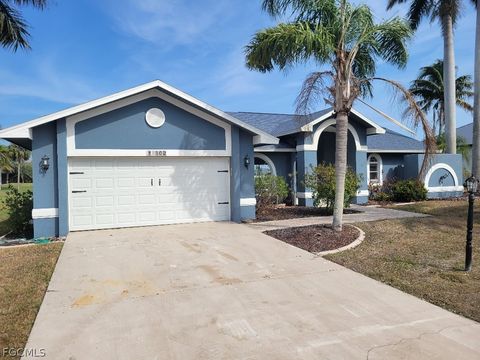
Active and recently sold in Cape Royal
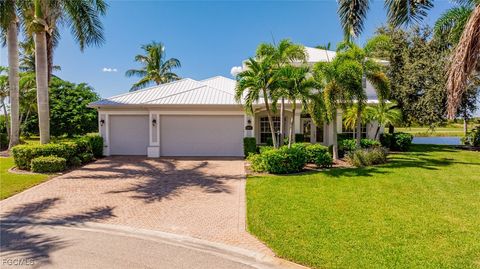
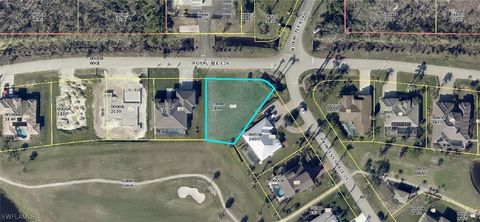
Fresh listings in Cape Royal, updated automatically.
Active listings





Recently sold



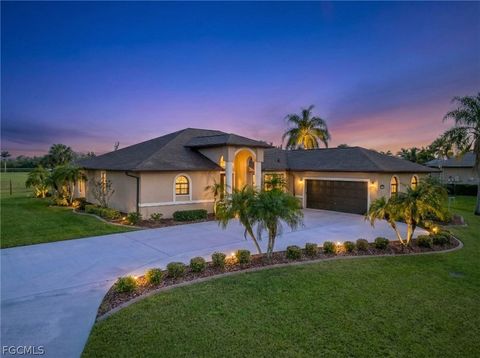
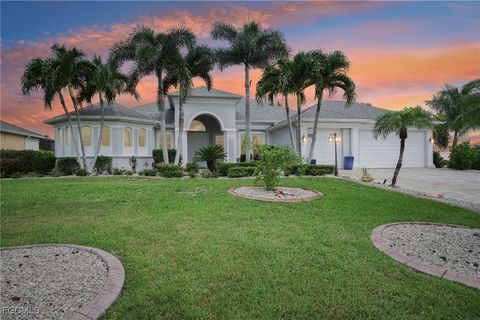
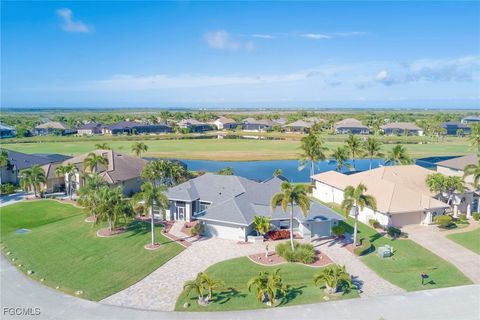
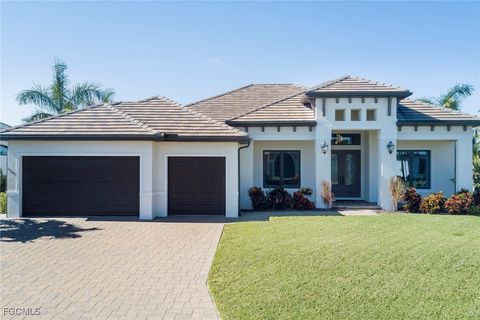

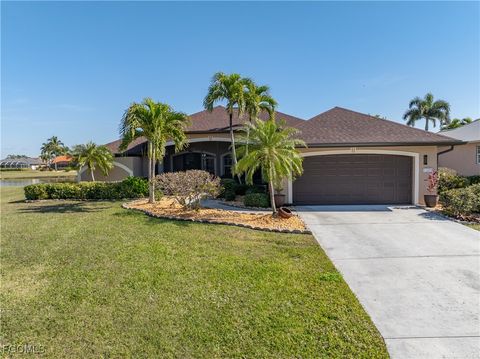
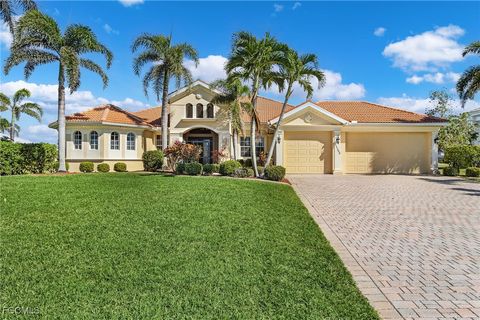


Photos of Cape Royal
Compare
Compare Cape Royal with similar communities
Want the full market report for Cape Royal?
I will send current listings, sold comps, and market trends for Cape Royal. Call or text 239-990-7738.
Enter your info below and I will send you the latest market report for Cape Royal, with recent sales and pricing trends.