Cape Harbour
Cape Coral, Florida
Gulf access is the whole game in Cape Coral waterfront, and in Cape Harbour, the access comes with a restaurant row, a working marina, and five different fee structures depending on which door you walk through. I’m Brenton Miebach, a REALTOR® here in Cape Coral, and this page is my working file on the community: what it actually is, what each section costs per the documents I’ve pulled, and the rental rules that catch buyers off guard. Every figure below is a dated fact about a specific document, budgets change, so verify the current numbers with the association before you write an offer.
What Cape Harbour Actually Is (and Where)
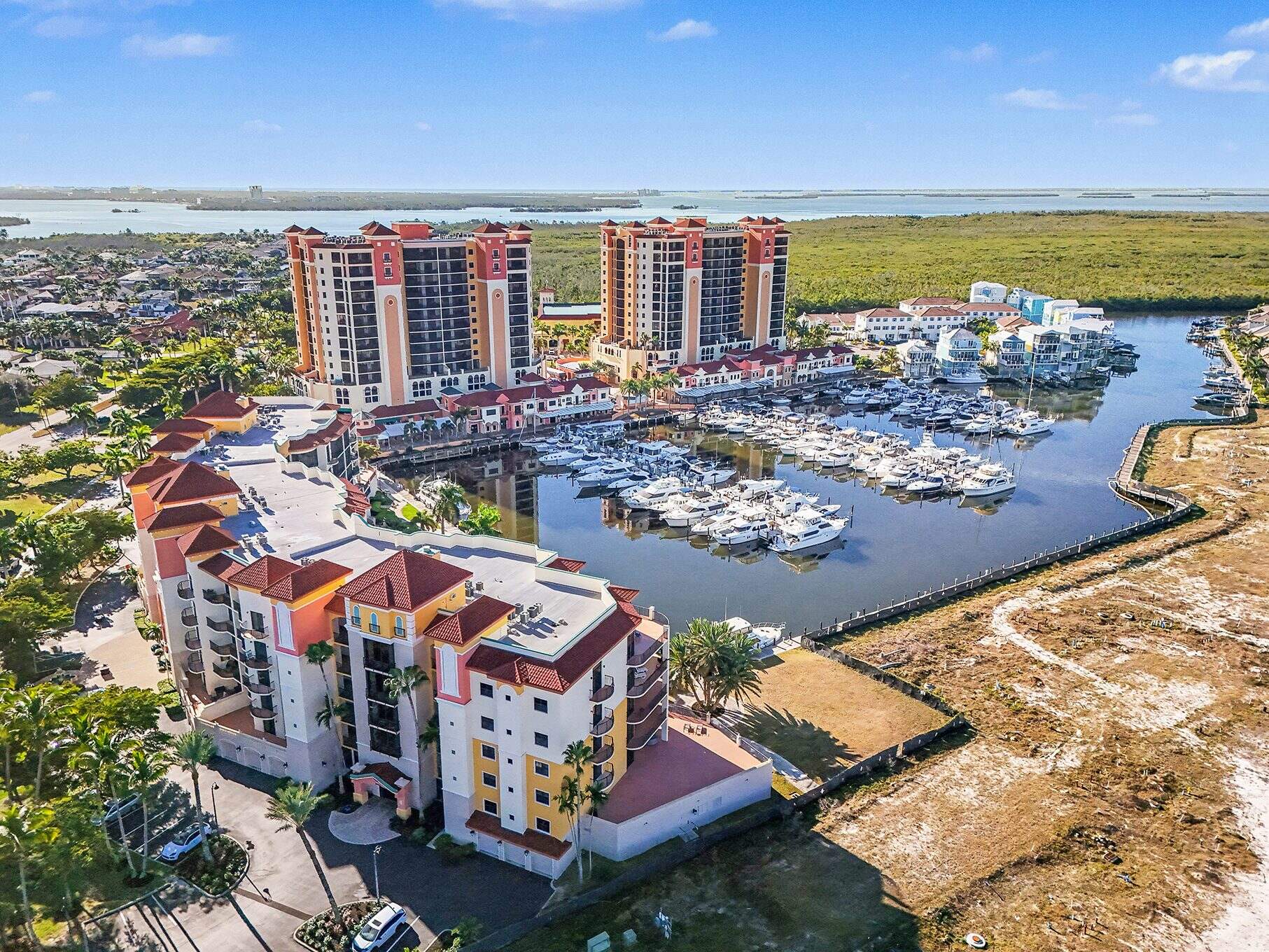
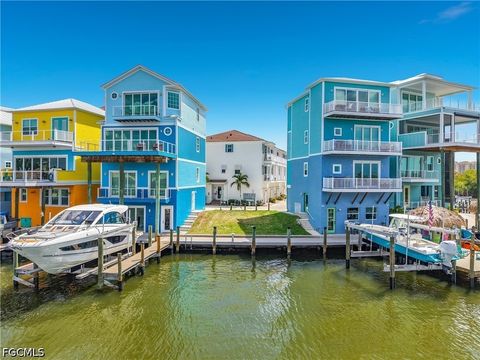
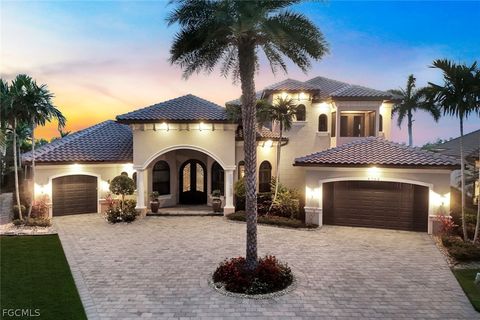
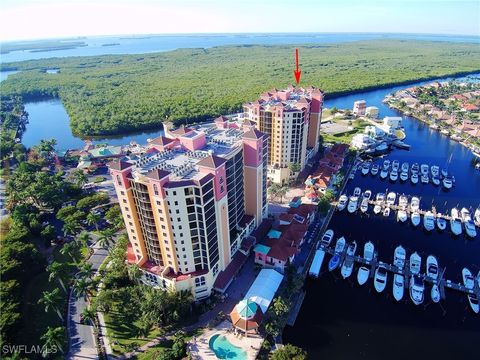
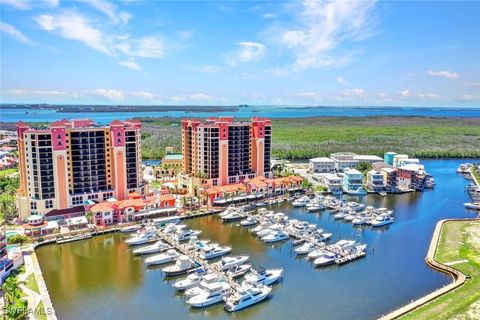
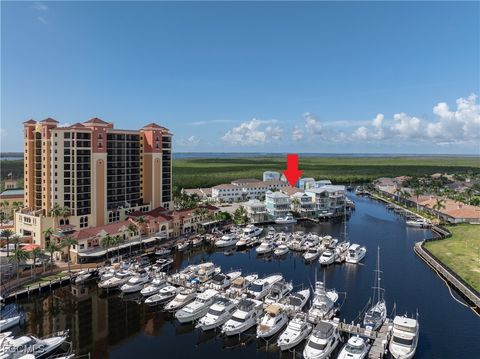
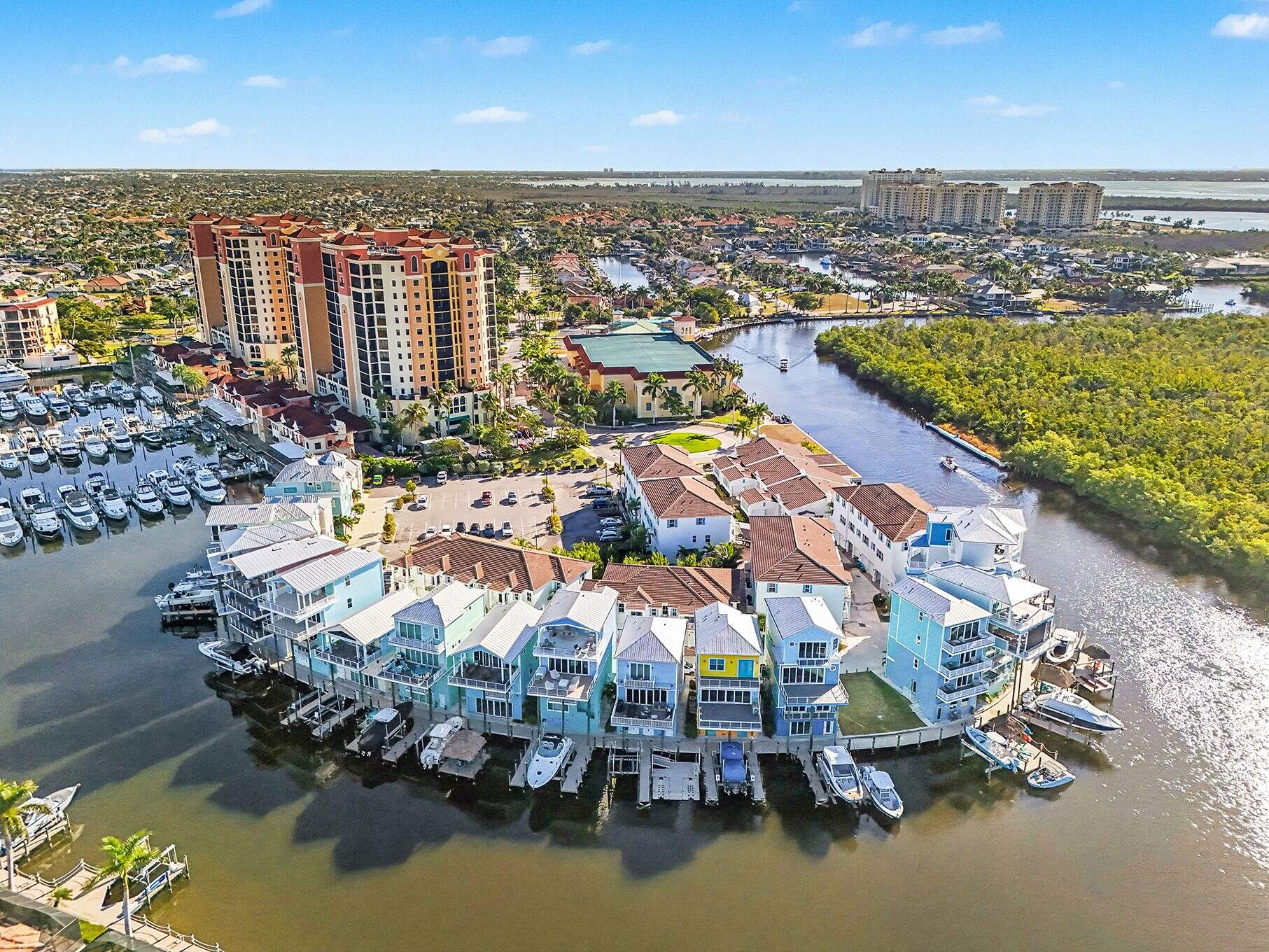
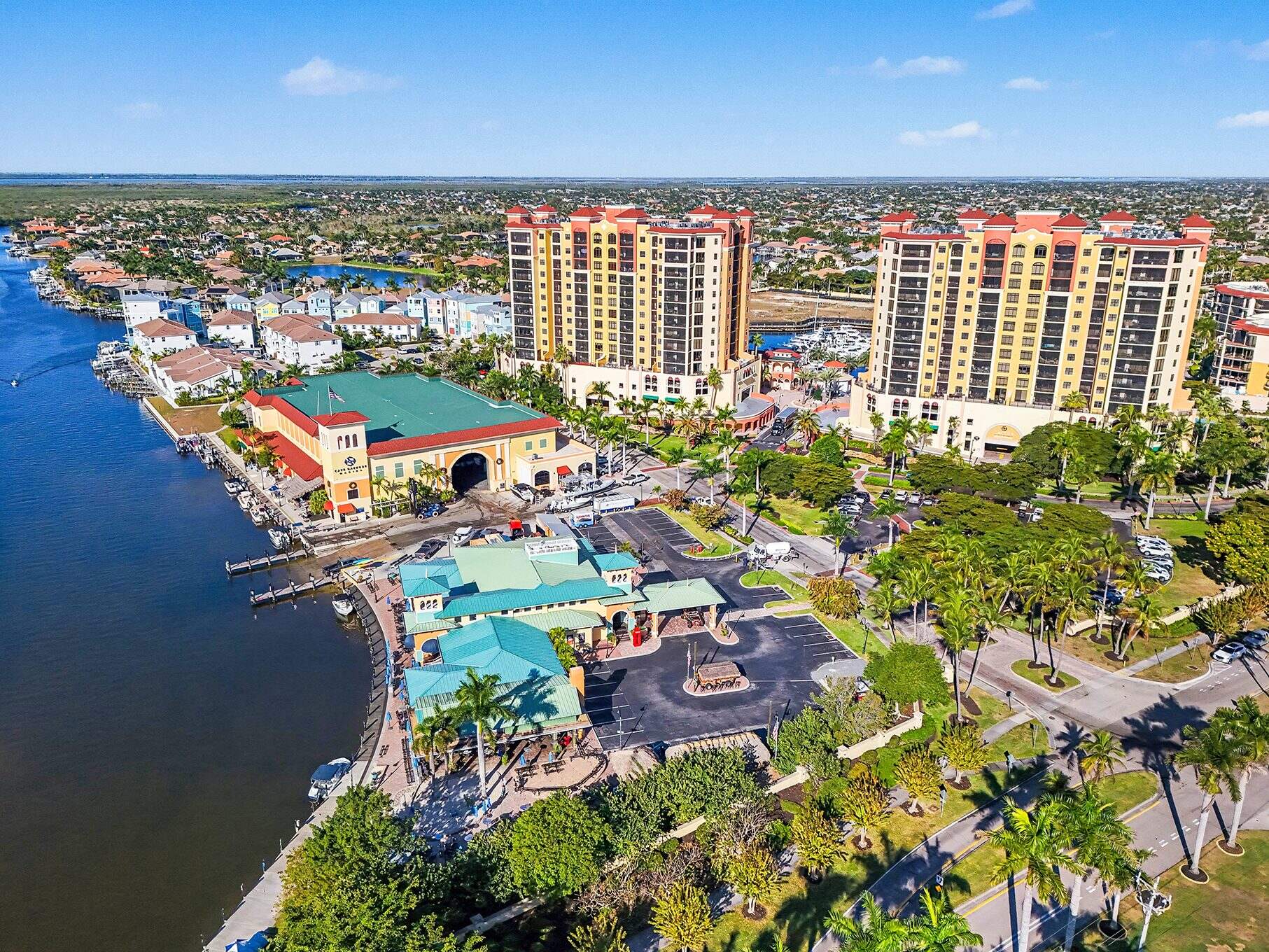
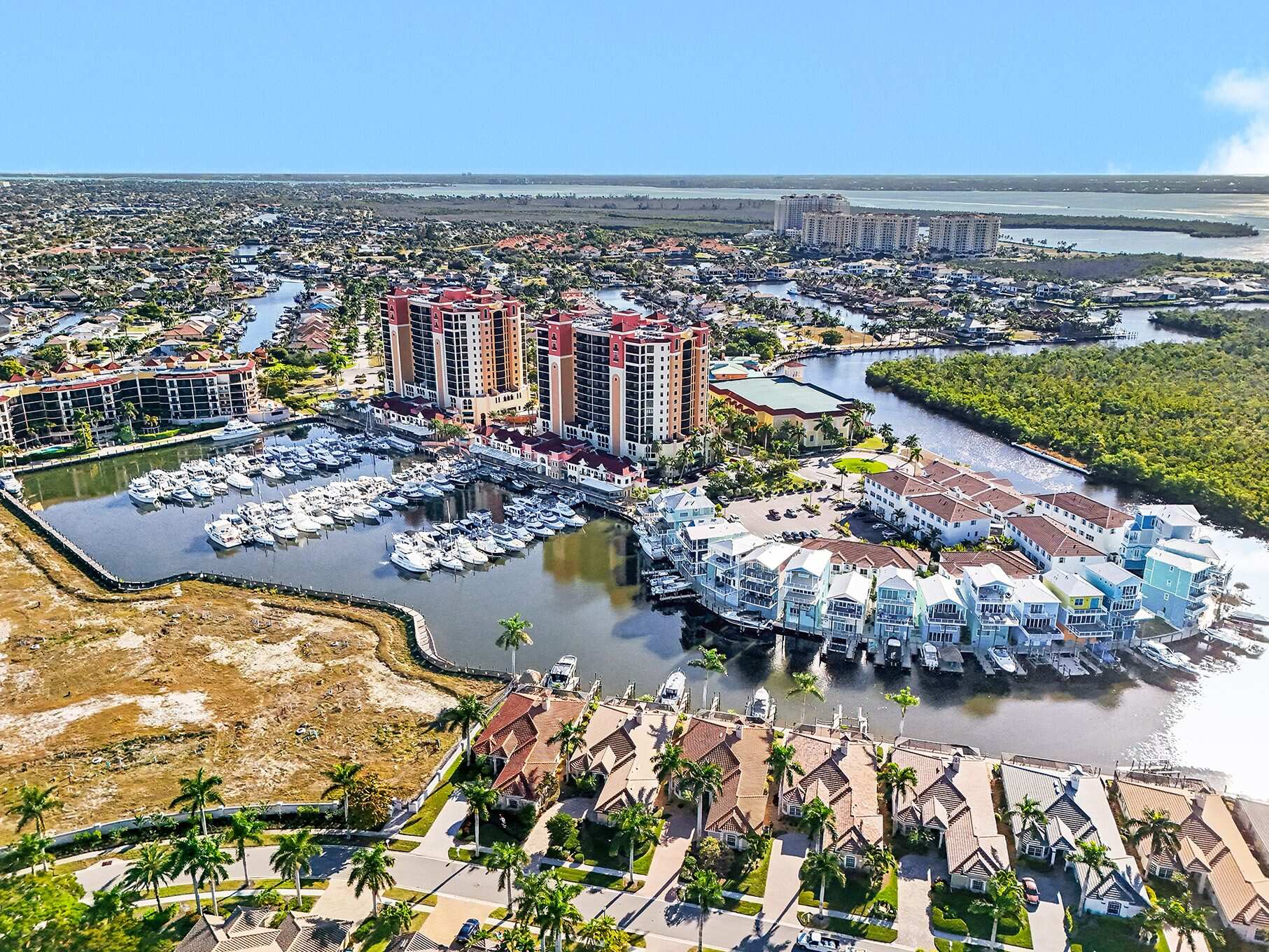
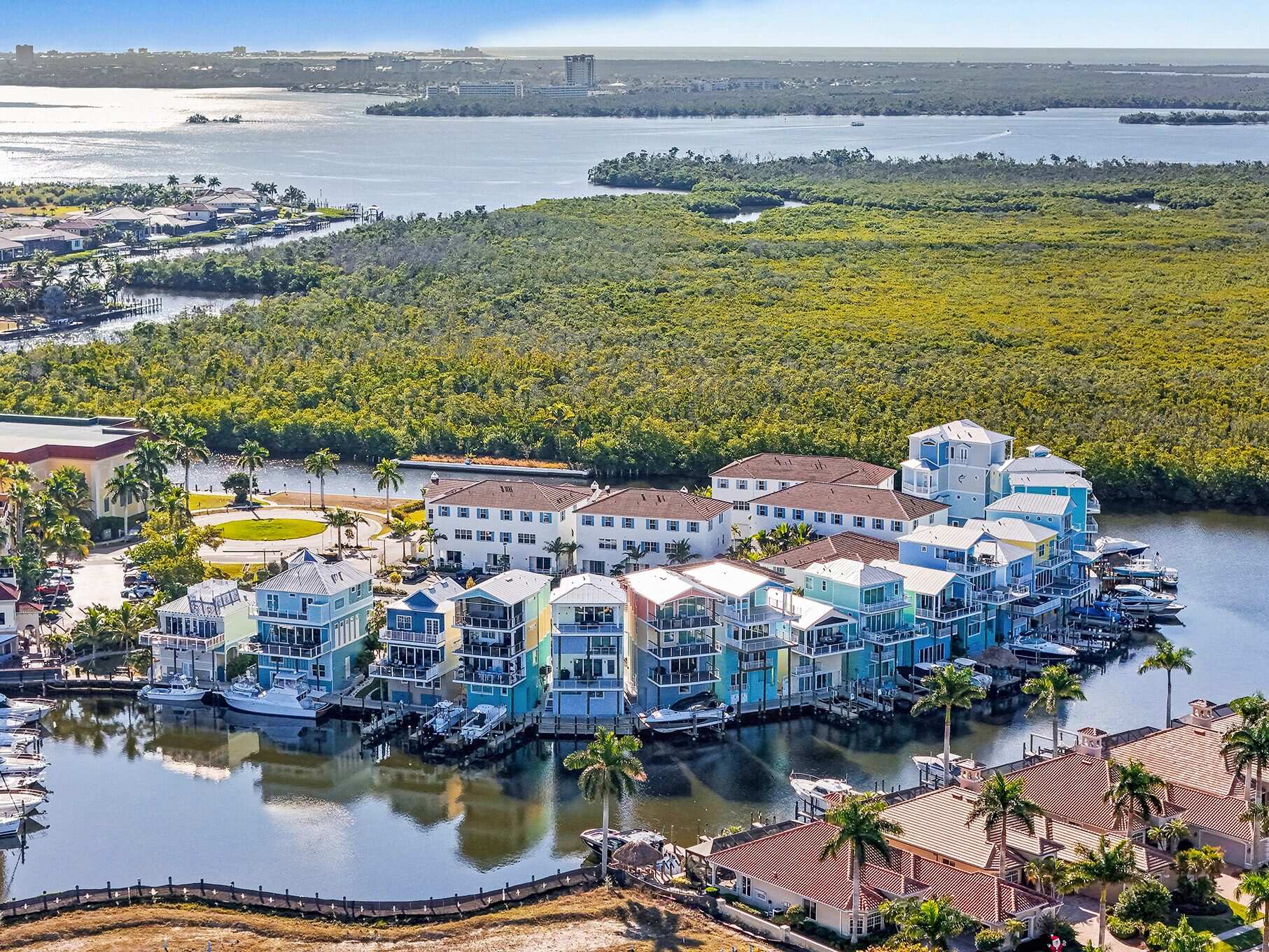
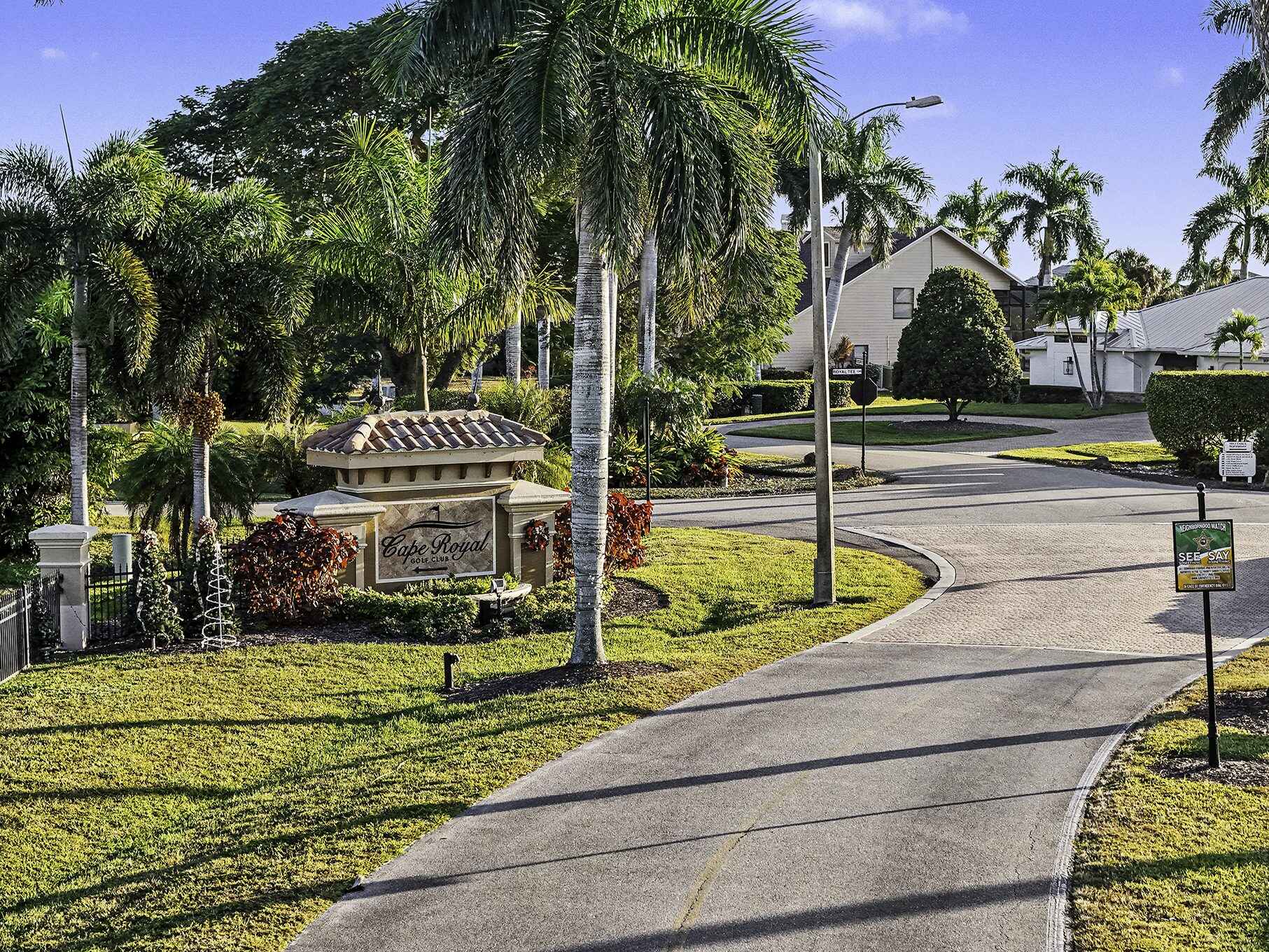
Cape Harbour sits in southwest Cape Coral, and the first thing to get straight is that it is not one gated compound. It’s two things layered together: an open, public marina village anyone can drive into for dinner, and gated residential sections tucked behind four numbered gates along El Dorado Parkway West. Per listing driving directions I’ve mapped, Gate 1 serves Harbour Circle and Lagoon Lane, Gate 2 serves Merlyn Lane, Gate 3 opens to Harbour Preserve Circle and Yardarm Court, the estate section, and Gate 4, the westernmost, serves Lancelot Lane. The Funky Fish Houses and the new Marina Villas on Shell Cove Drive are reached from Cape Harbour Drive itself, outside the gates entirely.
The community’s own architectural guidelines carry the tagline “A Yachting Community,” and that’s an accurate self-description. The development took its current shape after Realmark, under Will Stout, acquired it in 2000 and built the marina starting in 2001, with most of the village and towers following through the mid-2000s. One structural point buyers appreciate: non-ad-valorem tax bills I checked across three Cape Harbour parcels show no CDD assessment line, and Cape Harbour doesn’t appear on Lee County’s or Florida’s official list of registered community development districts, so you’re not carrying a bond assessment on top of association dues.
The Marina and Gulf Access
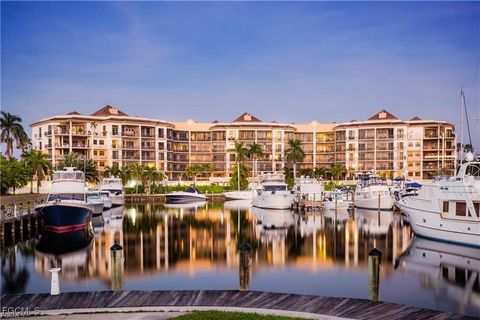
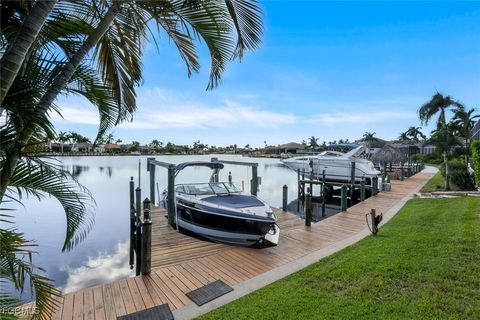
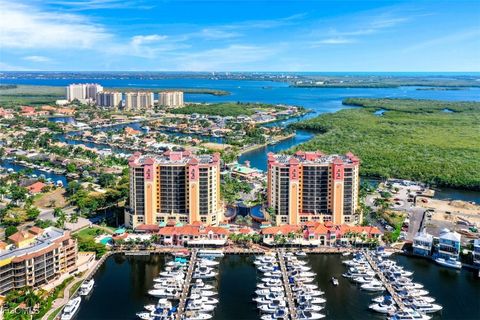
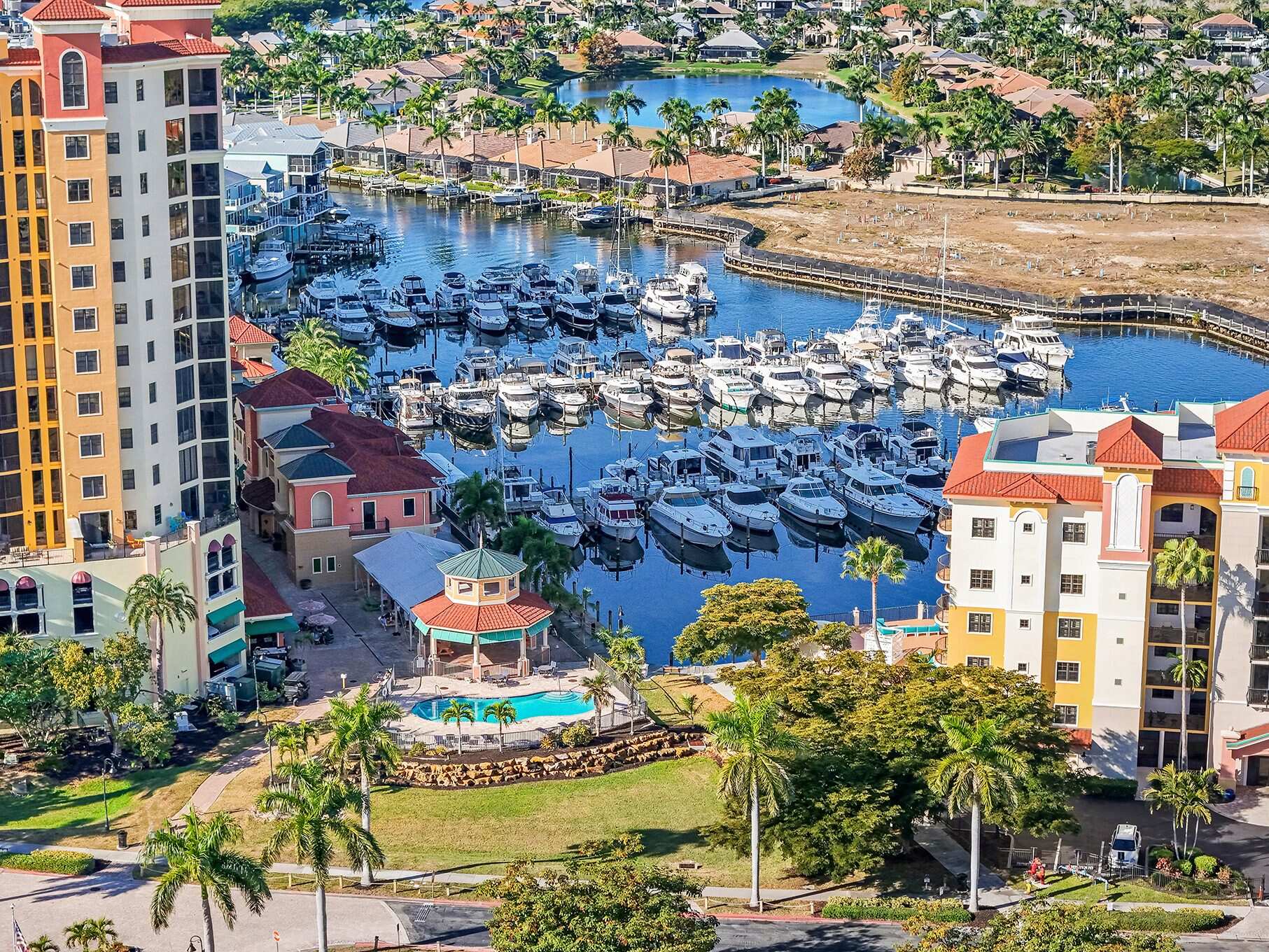
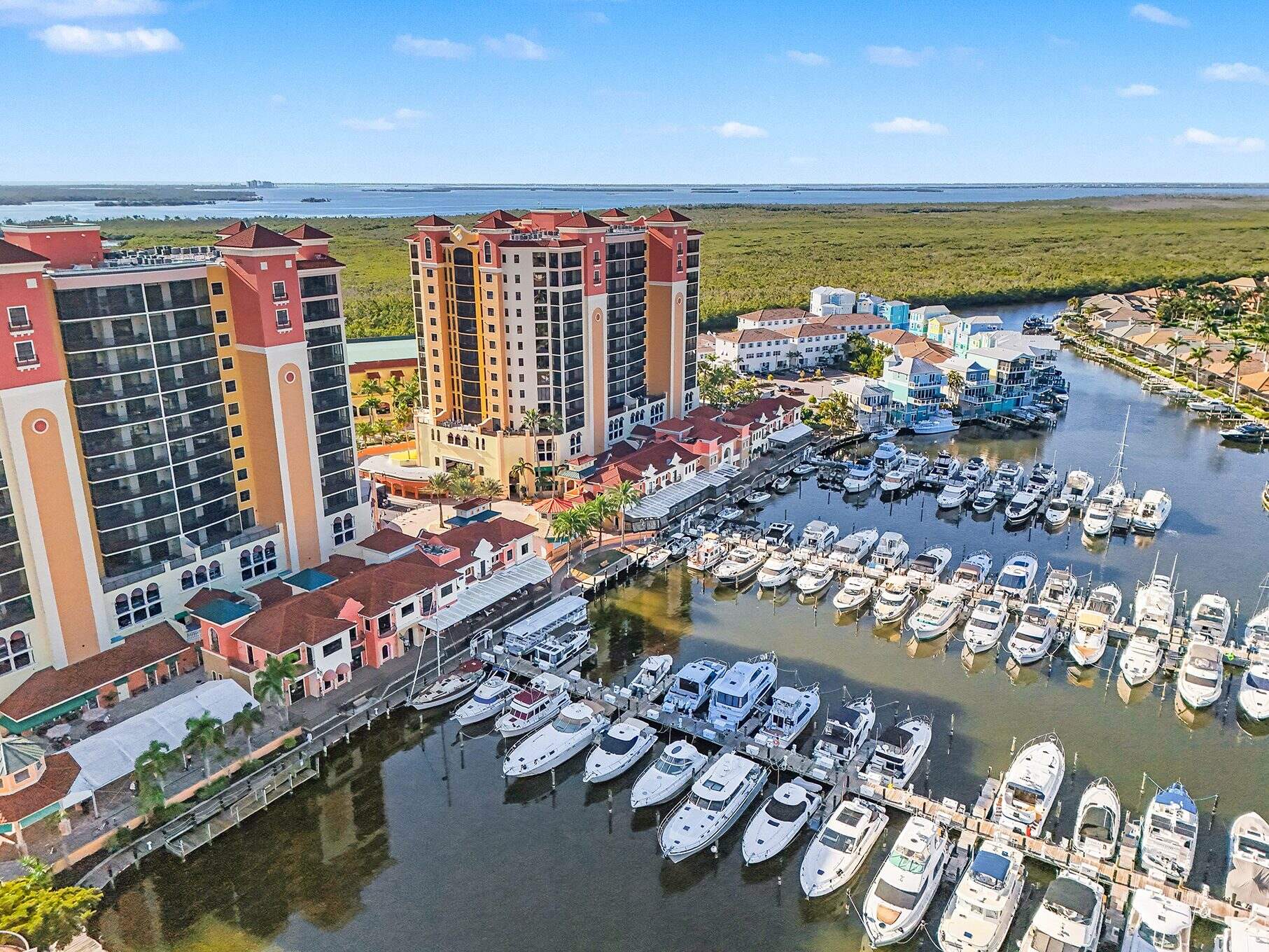
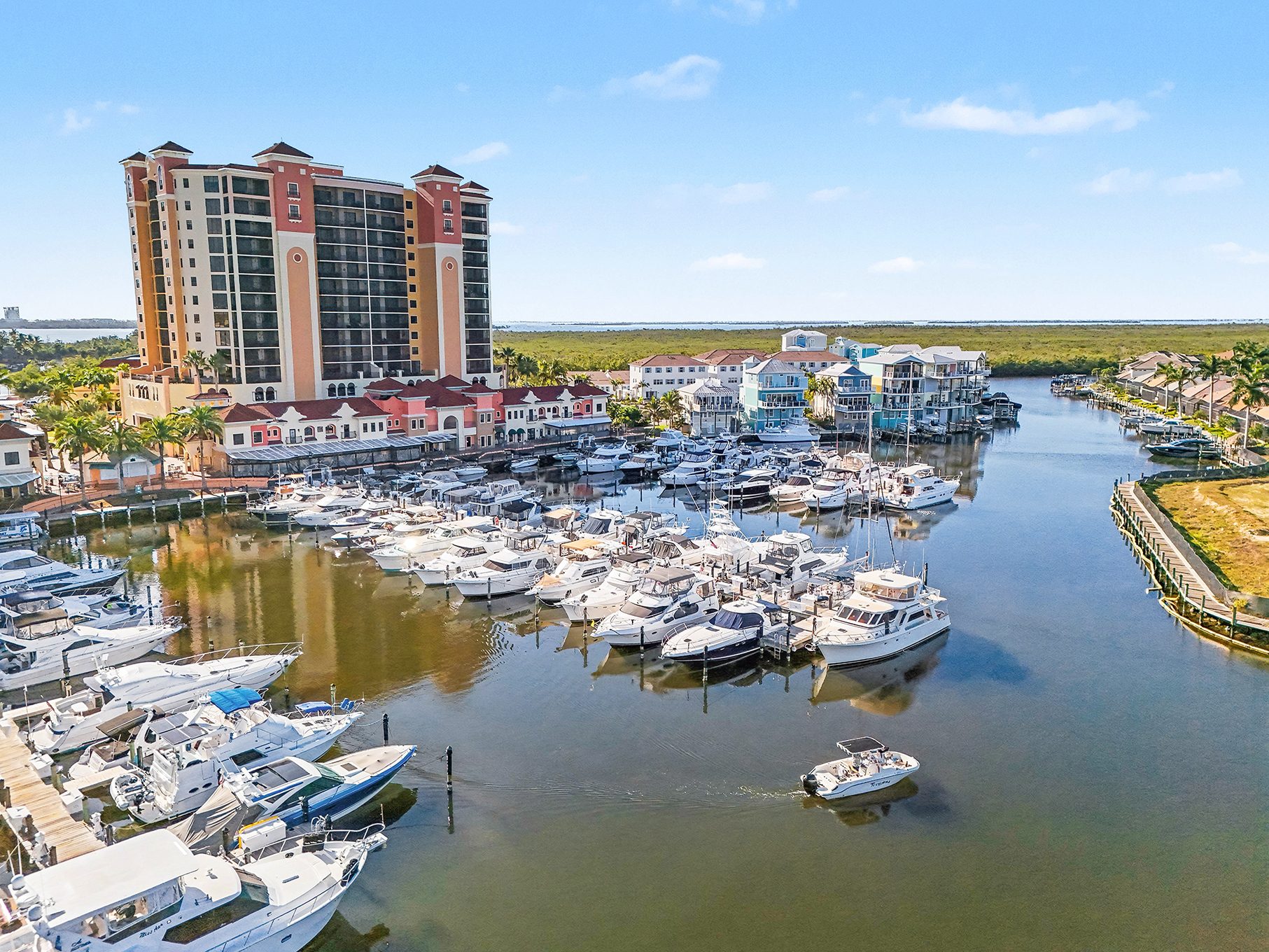
The marina is now operated as Safe Harbor Cape Harbour. It offers approximately 76 wet slips, the marina’s long-published figure, for boats roughly 35 to 60 feet, with a maximum draft of 5.6 feet, 16-foot beams, and unrestricted overhead height, plus indoor dry-stack storage for boats 20 to 34 feet. Transient dockage runs 25 to 60 feet, fuel is available seven days a week, and slip holders get gated dock access along with pool, fitness, and tennis amenities.
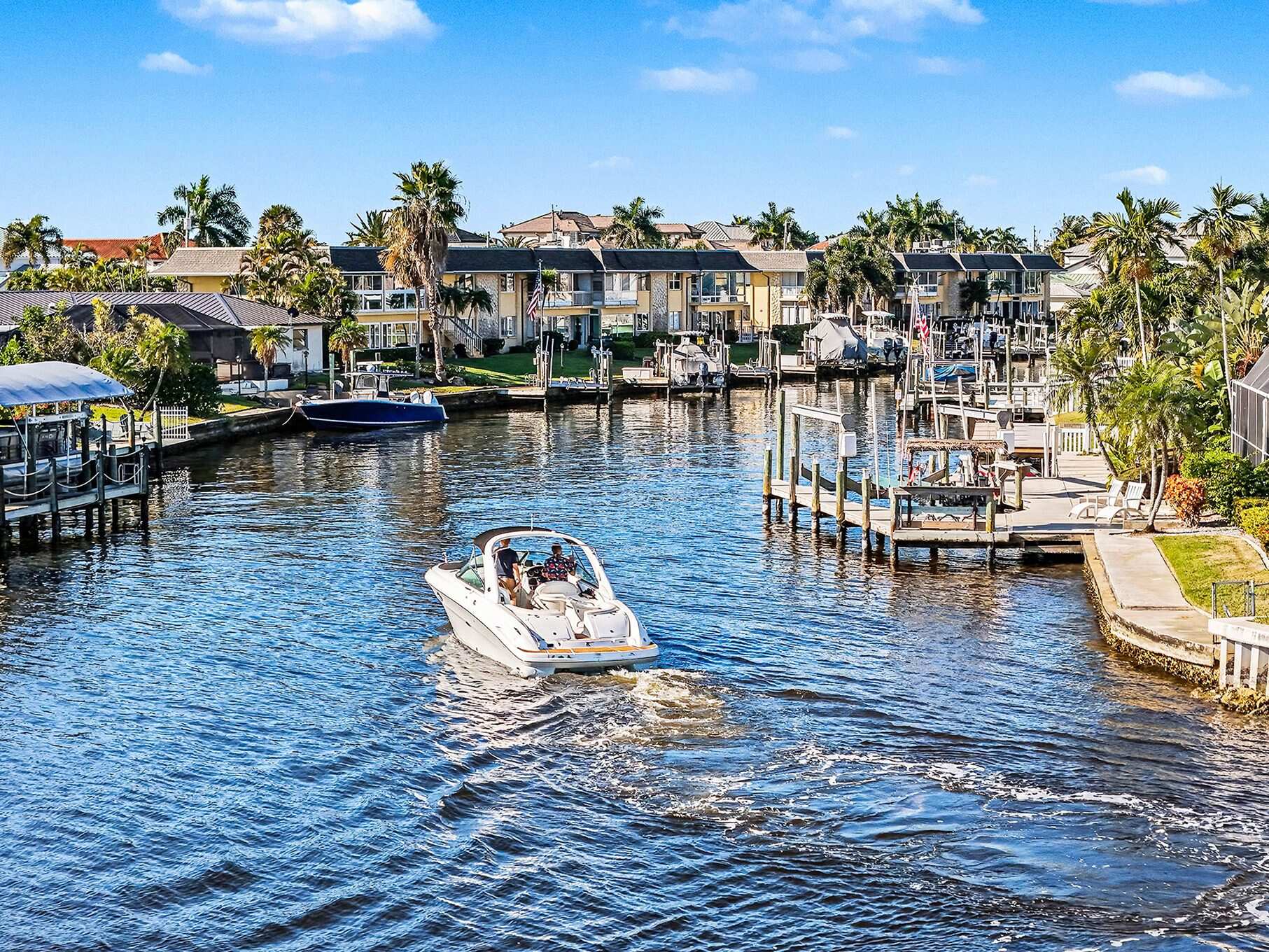
Unrestricted height matters because of what happened on June 17, 2025: the Chiquita Lock was removed after a regulatory process that ran from a 1977 consent order through the state’s final order in August 2024. Cape Harbour boaters now run to open water without a lock queue, a genuine change in daily boating life, celebrated on Cape Harbour Drive itself that July. Two honest caveats: there are shallow zones near the former lock site while restoration work continues, so local knowledge still matters at low tide. If sailboat-depth, no-bridge access is your priority, my guide to Gulf-access homes in Cape Coral breaks down how Cape Harbour compares to the rest of the map.
Restaurants and Village Life
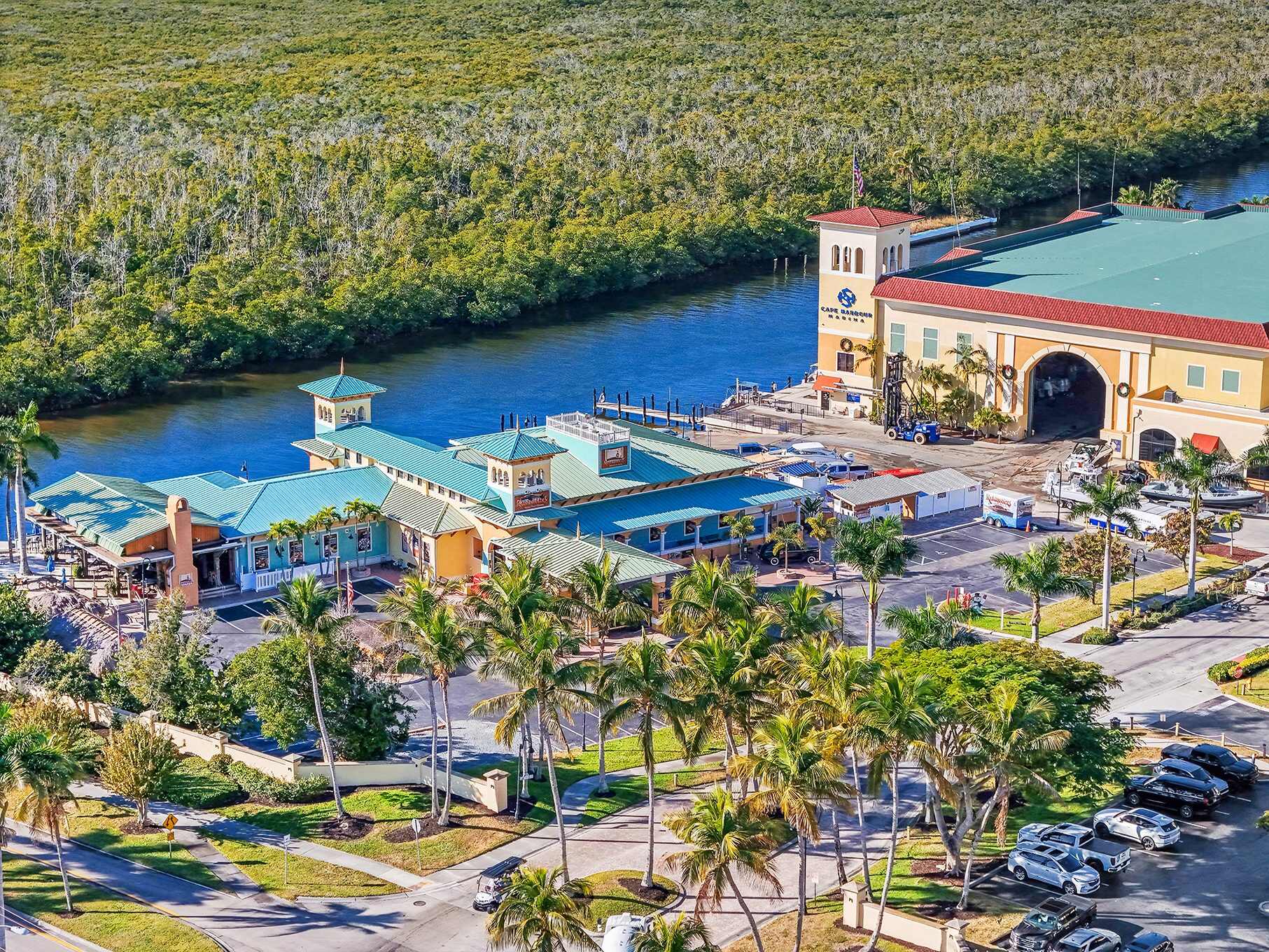
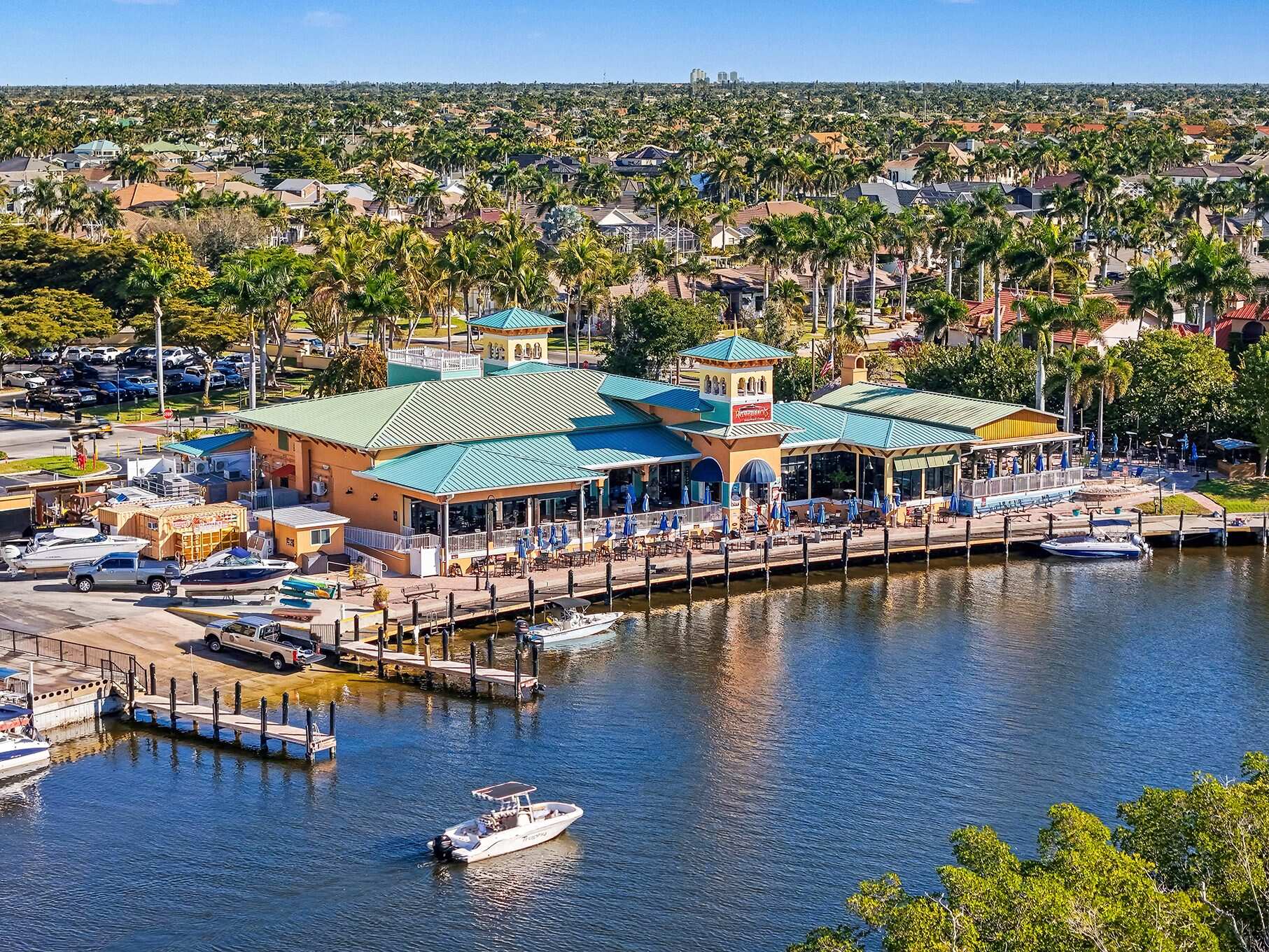
The village is why non-residents know Cape Harbour. As of my August 2026 sweep, the dining roster is Rumrunners, reopened in January 2022 under its longtime name after the original operator’s lease ended, along with Fathoms, The French Press, and Cape Harbour Oyster Bar & Grill, plus the Rumrunners-branded tiki bar on the water. Harbour View Gallery, a local artists’ co-op, anchors the retail side with regular receptions, and smaller shops like Dockside Juicery round out the promenade. Two boat clubs, Carefree Boat Club and Freedom Boat Club, operate on site, which means you can live the marina life here before you ever buy a boat. I keep this roster dated because village tenants turn over; treat any list, including mine, as a snapshot.
The Sections, and What They Cost
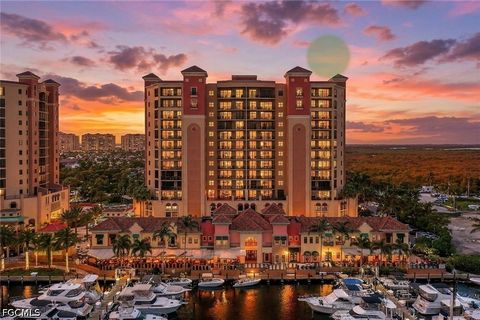
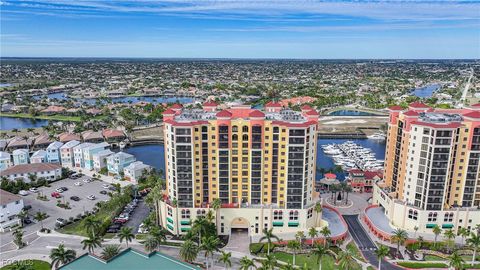
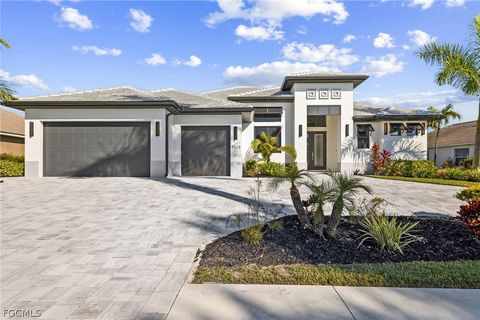
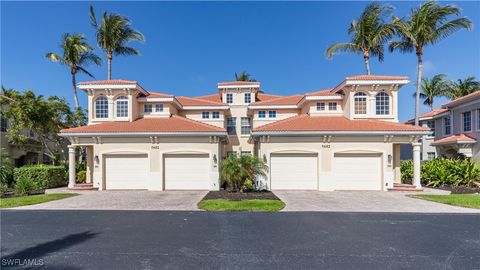
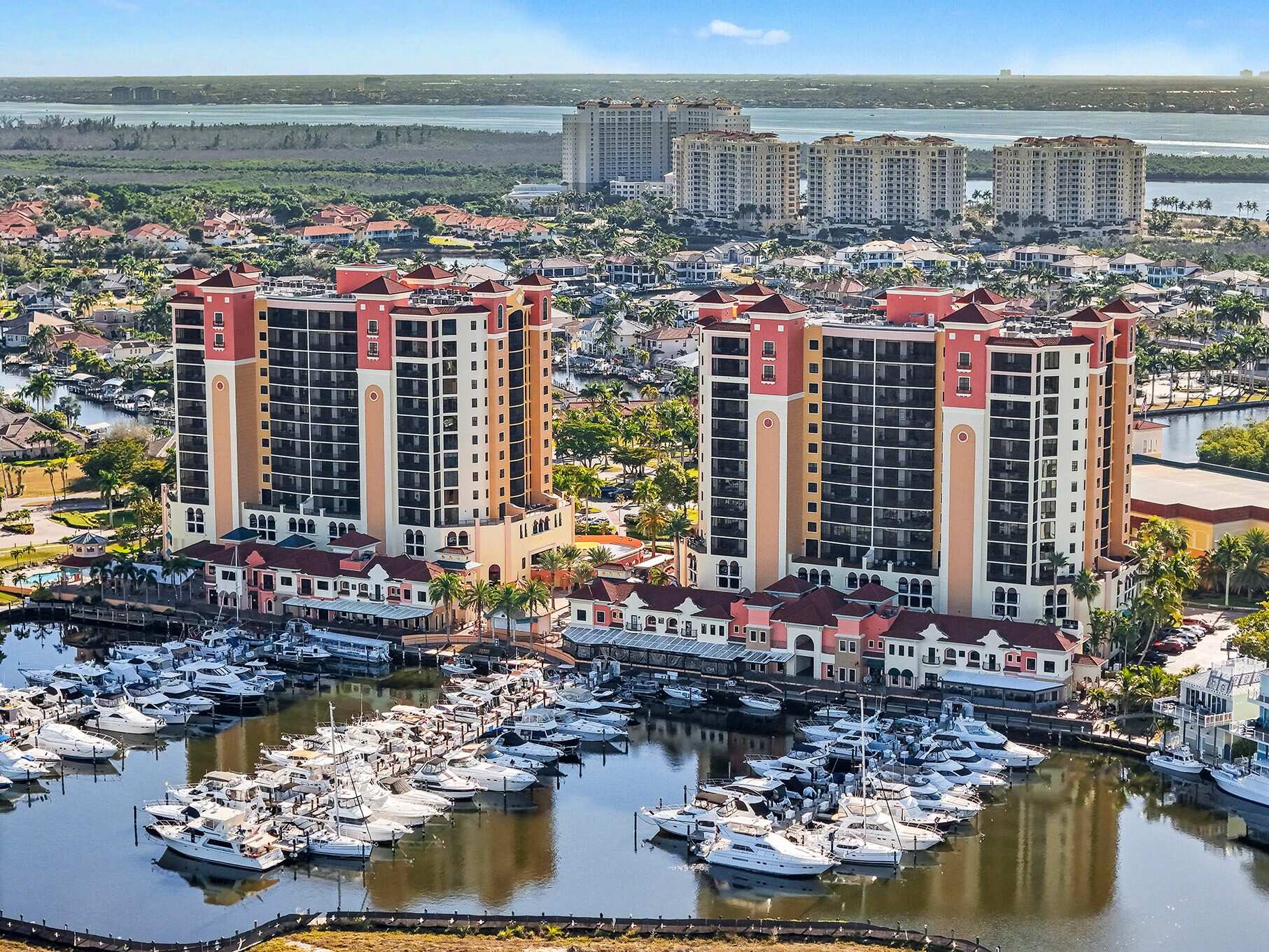
Cape Harbour is really eight or nine communities sharing one master association. Single-family homes fill the gated phases plus the Waterfront enclave; Harbour Preserve is the estate section behind Gate 3. On the condo side you have the two Marina South high-rise towers (110 residences each per their recorded declarations), the mid-rise Marina View (58 units per its recorded declaration), the 24-unit Coach Homes, the 13 original Funky Fish Houses, and the newly built Marina Villas on Shell Cove (22 units, 2023–24). Fees differ sharply by section, and this table is the reason this page exists, every line is sourced and dated:
| Section | Association fee | Source (verify current figures with the association) |
|---|---|---|
| Master association (single-family) | $272/month ($3,264/year) | Signed fee riders and seller disclosures filed in 2026 |
| Funky Fish Houses | $270/month (own association) | 2026 seller disclosures |
| Coach Homes | $1,100/month | Association’s 2026 budget, adopted October 29, 2025 |
| Marina South I tower | From roughly $725/month; varies by unit share (disclosed range up to about $1,009) | 2026 seller disclosures and a signed fee rider; Marina South II fees also vary by share, confirm with that association |
| Marina View | Varies by unit share, association’s 2025 budget totals $806,747 across 58 units | Association’s 2025 budget; get the current per-unit figure from the association |
Budget one-time money too. Under an amendment to the master association’s recorded declaration adopted in March 2023, every buyer of a lot or existing home pays a $2,500 capital contribution to the association at closing (with narrow exemptions such as same-owner transfers), and anyone building on a vacant lot or doing a teardown rebuild owes a separate $5,000 impact fee. Those are recorded-instrument facts, not listing-sheet folklore, but confirm the current version through your estoppel before closing.
Renting in Cape Harbour: The Rules by Section
This is where buyers most often get bad information, because the answer changes building by building. For single-family homes, the master association’s recorded declaration (2001, with no amendments to these rules through 2026) sets a 30-day minimum lease and a maximum of two leases per year, and a 2021 recorded enforcement amendment lets the association fine leasing violations up to $100 per day, capped at $3,000, with lien rights on larger fines. The Marina South towers are where this gets misreported constantly, because the rule was amended. Marina South I’s original 2006 declaration (Instrument #2006000301291) did allow one-week rentals, but a recorded 2019 amendment (Instrument #2019000071147, recorded April 1, 2019) raised that building’s minimum to 30 days, with no more than twelve leases a year; that amendment touched leasing only, so the original declaration’s pet limits are unchanged. Listings and community write-ups still advertising weekly rentals at 5781 Cape Harbour Drive are quoting a rule that has not been in force since 2019. Marina South II’s 2007 declaration sets a one-week minimum and twelve leases per year and I have not found an amendment for that building, but given what happened next door, I would confirm the current term with the association before planning an investment around it. Marina View allows one-week rentals but only six leases per year per its recorded declaration, Coach Homes matches that six-per-year structure, and the new Marina Villas require a 31-day minimum with board approval per their 2023–24 recorded declarations.
Renter households face pet rules too: the tower declarations limit units to two pets under 30 pounds with building-specific breed restrictions, while Marina View and Coach Homes allow up to three pets to 75 pounds, always confirm the current rules with each association. And regardless of building, Cape Coral’s overhauled rental registration ordinance took effect January 1, 2026: annual registration at $35 per year for long-term rentals, $350 per year for short-term rentals of six months or less, a $50 late fee, and code-violation fines of $250 to $1,000. Renewal falls on your registration anniversary, not January 1.
Architectural Standards and Reserve Health
The community’s architectural guidelines (revised June 18, 2025) are strict in ways that protect value: minimum home sizes of 2,400 to 3,000 square feet depending on the block, height limits of 30 to 40 feet, no boat-lift canopies, no floating docks, and specified landscaping minimums with approved turf varieties only. If you’re building in Harbour Preserve, read those guidelines before you fall in love with a plan.
On the condo side, the structural-reserve question every Florida buyer should ask has a good answer here: both Marina South II and Marina View show fully funded reserves in their 2025 budgets, a meaningful contrast with some towers elsewhere in the city. And Coach Homes recorded a 2025 amendment (April 2025) worth knowing in the insurance era: units left vacant 30-plus days must get a home-watch inspection every 30 days or install an approved leak-detection system, with failure treated as presumed negligence. That’s exactly the kind of provision seasonal owners need to see before buying.
Cape Harbour questions, answered
What are the HOA fees in Cape Harbour?
It depends on the section. Per signed fee riders and seller disclosures filed in 2026, the master association fee for single-family homes is $272 per month; the Funky Fish Houses run $270 per month, and Coach Homes are $1,100 per month per that association’s 2026 budget. Marina South I tower fees start around $725 per month and vary by unit share, and Marina View fees also vary by unit share (that association’s 2025 budget totals $806,747 across 58 units), always verify current figures with each association before you buy.
Is Cape Harbour gated?
Partly. The marina village, restaurants, shops, and the promenade, is open to the public, while the residential streets sit behind four numbered gates along El Dorado Parkway West, with Harbour Preserve’s estate section behind Gate 3. The Funky Fish Houses and Marina Villas on Shell Cove Drive are accessed from Cape Harbour Drive, outside the gates.
Can you rent out a condo in Cape Harbour?
Yes, and the rules vary by building, and they get amended, which is where most published answers go wrong. Marina South I’s 2006 declaration allowed one-week rentals, but a recorded 2019 amendment (Instrument #2019000071147, April 2019) raised that building’s minimum to 30 days with no more than twelve leases a year, so anything still advertising weekly rentals at 5781 Cape Harbour Drive is quoting a superseded rule. Marina South II’s 2007 declaration sets a one-week minimum and twelve leases per year with no amendment found, though I’d confirm that with the association given its sister tower’s history. Marina View allows one-week leases but only six per year, and the new Marina Villas require a 31-day minimum with board approval. Single-family homes fall under the master association’s 30-day minimum and two leases per year, and every rental must also be registered with the City of Cape Coral under the ordinance effective January 1, 2026 ($35 per year long-term, $350 per year short-term).
What restaurants are in Cape Harbour?
As of August 2026, the village roster includes Rumrunners (reopened under its longtime name in January 2022), Fathoms, The French Press, and Cape Harbour Oyster Bar & Grill, plus a waterfront tiki bar now under the Rumrunners brand. Harbour View Gallery, a local artists’ co-op, and shops like Dockside Juicery round out the promenade, and both Carefree and Freedom boat clubs operate on site.
Does Cape Harbour have Gulf access without bridges?
Yes, the marina advertises unrestricted overhead height, and since the Chiquita Lock was removed on June 17, 2025, boats run to open water without a lock queue. The marina handles vessels roughly 35 to 60 feet in its approximately 76 wet slips with a maximum draft of 5.6 feet, though shallow zones remain near the former lock site while restoration continues.
Are there any extra fees when buying in Cape Harbour?
Yes. Under a March 2023 amendment to the master association’s recorded declaration, buyers of a lot or existing home pay a $2,500 capital contribution at closing, and building on a vacant lot or doing a teardown rebuild triggers a separate $5,000 impact fee. No community development district appears in the non-ad-valorem tax bills I checked for Cape Harbour parcels, and the community isn’t on Lee County’s or Florida’s registered-CDD lists; no special assessment was disclosed in association materials as of 2026, confirm the current picture through your estoppel.
Thinking About Cape Harbour?
I track Cape Harbour’s documents, fees, and inventory continuously, the same way I cover Tarpon Point Marina, the other marina village across town, when clients ask me to compare the two. If you’re weighing a tower unit against a gated single-family street, or trying to figure out which section’s rental rules fit your plan, reach out and I’ll walk you through the current numbers, building by building.
Listings
Active and recently sold in Cape Harbour
Fresh listings in Cape Harbour, updated automatically.
Active listings





Recently sold





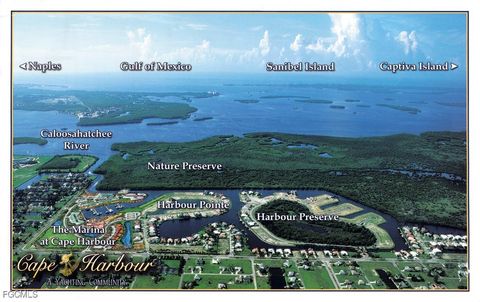
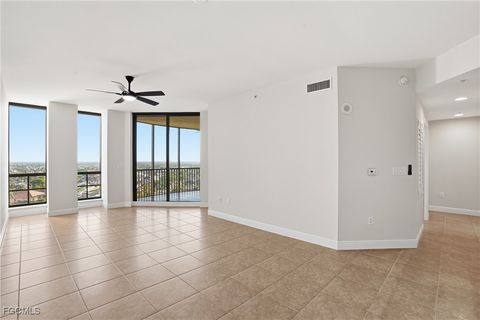
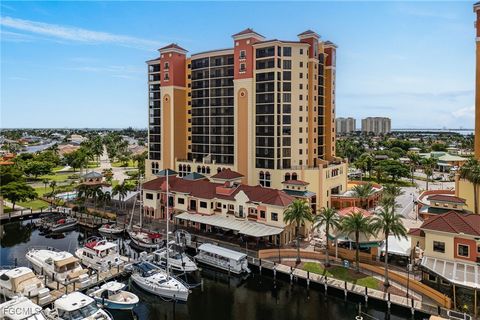
Photos of Cape Harbour
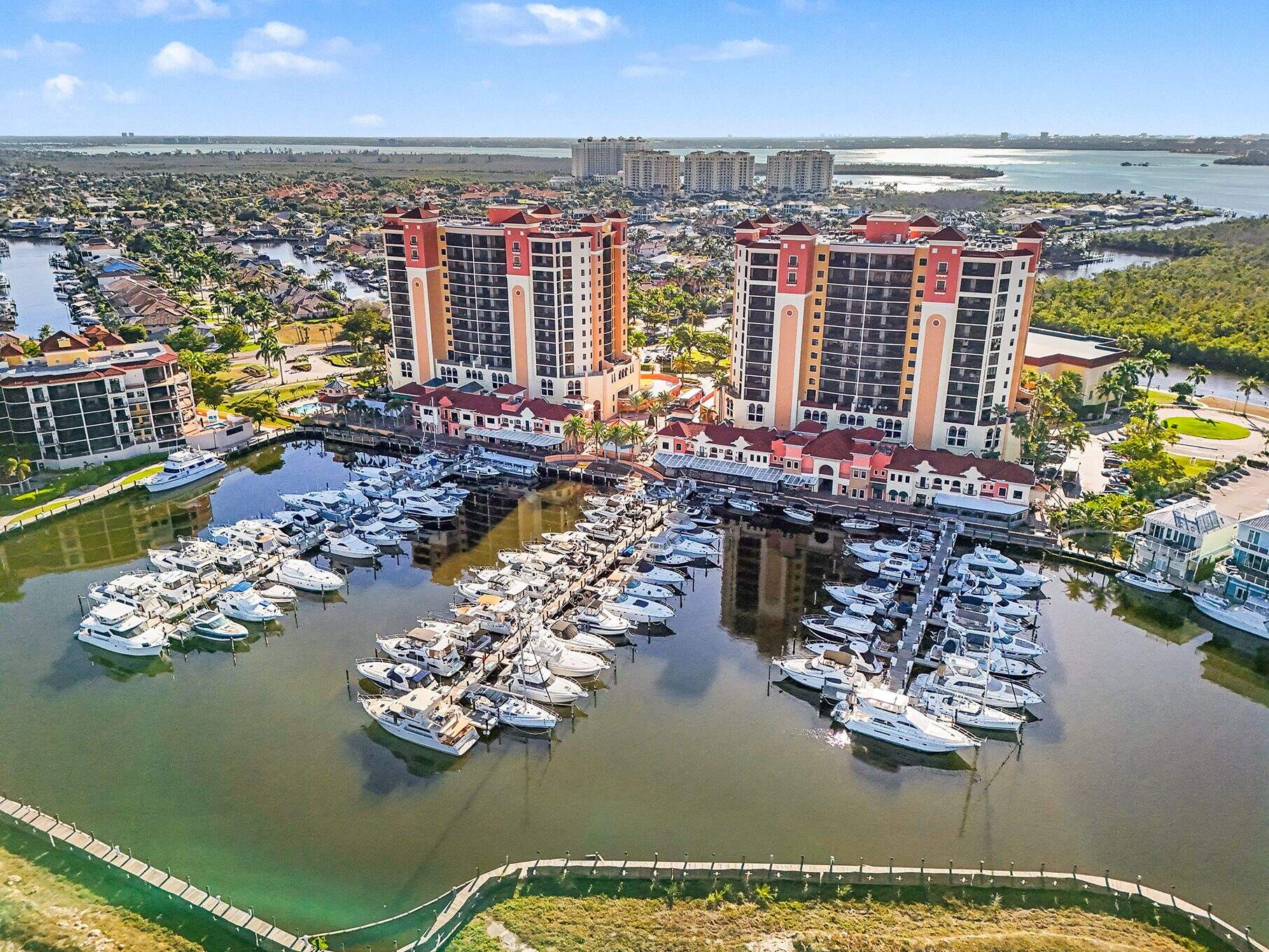
Compare
Compare Cape Harbour with similar communities
Want the full market report for Cape Harbour?
I will send current listings, sold comps, and market trends for Cape Harbour. Call or text 239-990-7738.
Enter your info below and I will send you the latest market report for Cape Harbour, with recent sales and pricing trends.